Bạn đang tìm kiếm cái gì?
Ống xả nóng có thể tạo ra vấn đề nhiệt lớn hơn nhiều so với đường kính của nó.
Trong xe cộ, vỏ máy phát điện, phòng động cơ tàu thủy hoặc máy móc công nghiệp, đường ống có thể chỉ cách dây điện, ống dẫn thủy lực, đường dẫn nhiên liệu, tấm thân xe, cảm biến hoặc khu vực bảo dưỡng vài centimet. Khi hệ thống khí thải đạt đến nhiệt độ hoạt động, khoảng cách nhỏ đó có thể trở thành điểm mấu chốt trong toàn bộ thiết kế tản nhiệt.
Đây là nơicách nhiệt ống xảtrở nên cần thiết.
Hệ thống cách nhiệt đúng chuẩn không chỉ đơn thuần là bao phủ một đường ống nóng. Nó phải kiểm soát nhiệt độ đồng thời chịu được rung động, chu kỳ nhiệt lặp đi lặp lại, ô nhiễm, chuyển động và bảo trì.
Vì lý do này, việc lựa chọn vật liệu cách nhiệt chỉ dựa trên chỉ số nhiệt độ thường là không đủ.
BSTFLEX phát triểncách nhiệt tấm chắn nhiệt khí thảiDùng cho hệ thống khí thải ô tô, động cơ diesel, hàng hải, máy phát điện và công nghiệp, bao gồm cả tấm cách nhiệt ống có thể tháo rời, vật liệu cách nhiệt, màng bọc nhiệt, ống mềm và tấm chắn nhiệt bằng kim loại.
Trước khi lựa chọn vật liệu cách nhiệt, hãy xác định vấn đề cần giải quyết là gì.
Ống xả có thể cần lớp cách nhiệt vì:
Một bó dây điện gần đó đang bị quá nhiệt;
Nhiệt độ trong buồng quá cao;
Người vận hành thường xuyên tiếp xúc với các bề mặt nóng;
Nhiệt độ đang truyền đến đường dẫn nhiên liệu hoặc đường dẫn thủy lực;
Sàn xe đang hấp thụ lượng nhiệt bức xạ quá mức;
Phòng máy có hệ thống thông gió không đủ;
Ống xả phải giữ được nhiều nhiệt hơn ở phía hạ lưu;
Các thiết bị xung quanh không thể chịu được nhiệt độ hiện tại.
Đây là những vấn đề khác nhau.
Ngay cả khi nhiệt độ ống xả là như nhau, chúng vẫn có thể cần các hệ thống cách nhiệt khác nhau.
Ví dụ, việc bảo vệ sàn xe khỏi nhiệt bức xạ có thể cần đến tấm chắn phản quang, trong khi việc giảm nhiệt độ bề mặt bên ngoài của ống xả máy phát điện có thể cần đến một lớp chăn cách nhiệt dày có thể tháo rời.
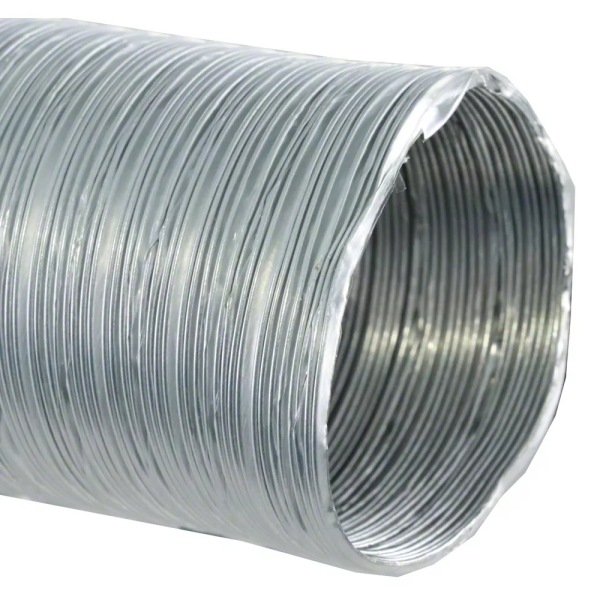
Vật liệu cách nhiệt cho ống xả thường được chia thành bốn loại chính.
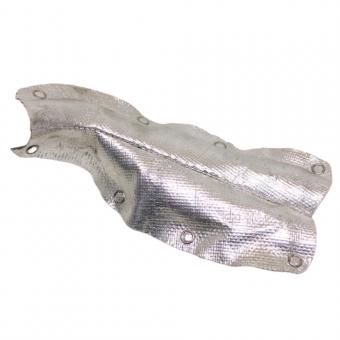
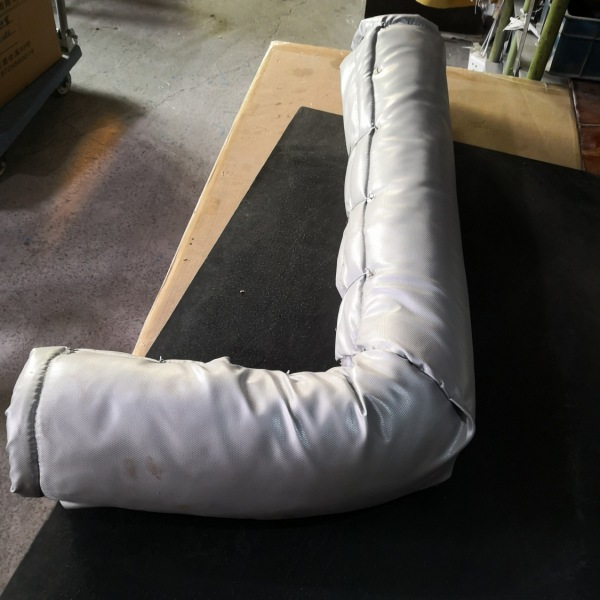
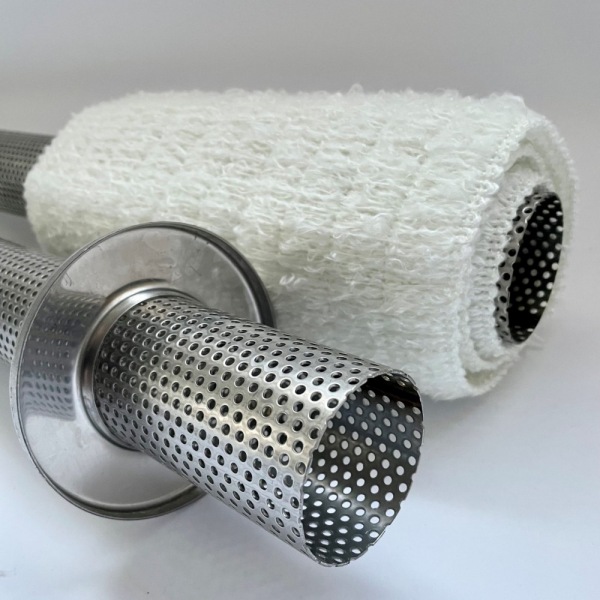
Tấm cách nhiệt có thể tháo rời được chế tạo để phù hợp với đường kính ống hoặc hình dạng ống xả cụ thể.
Nó thường bao gồm:
một lớp chịu nhiệt bên trong;
Cách nhiệt;
một lớp bảo vệ bên ngoài;
Cơ cấu buộc chặt bằng cơ khí.
Cấu trúc này đặc biệt phù hợp khi việc tiếp cận để bảo trì là điều cần thiết.
Các kiểu lắp đặt điển hình bao gồm:
máy phát điện diesel;
Động cơ hàng hải;
động cơ công nghiệp;
ống xả lớn;
ống giảm thanh;
khuỷu nối ống xả.
Tấm phủ có thể được sản xuất thành nhiều đoạn thay vì một mảnh dài, cho phép kỹ thuật viên chỉ cần tháo rời phần cần thiết để kiểm tra.
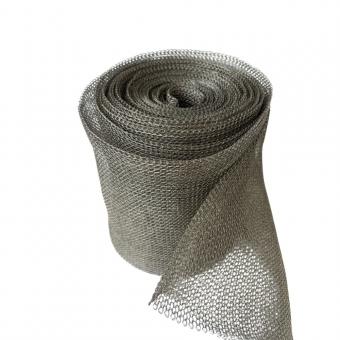
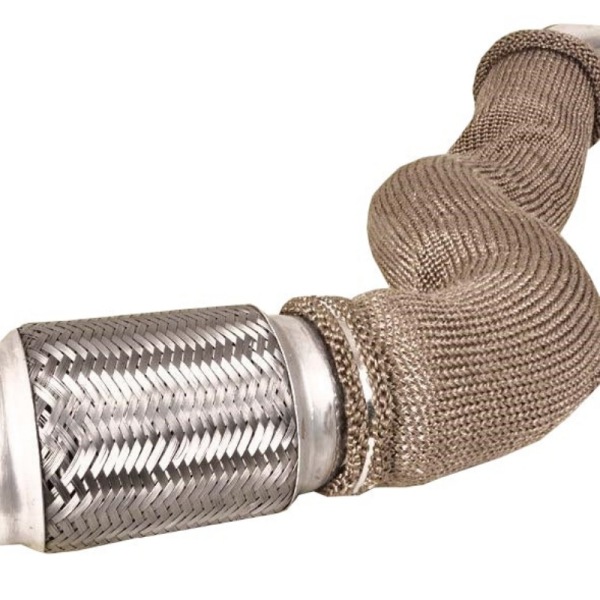
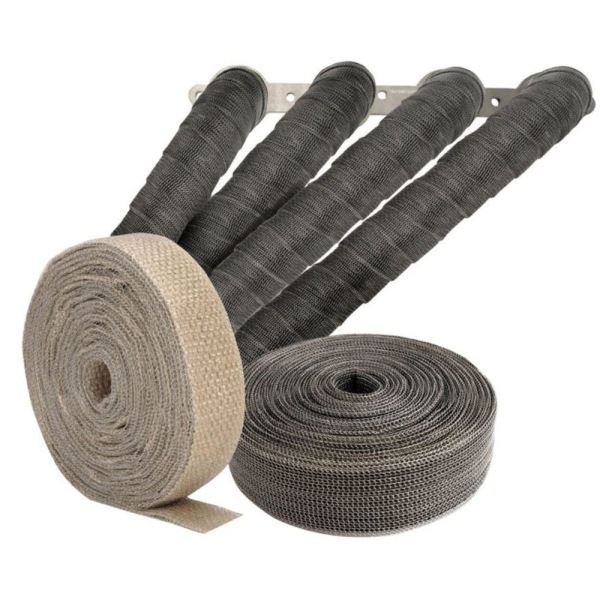
Vật liệu cách nhiệt cho ống xả được cung cấp dưới dạng cuộn và được quấn xoắn ốc quanh ống.
Nó được sử dụng rộng rãi cho:
Đầu nối ô tô;
xe máy;
Hệ thống ống xả hiệu suất cao;
ống xả đường kính nhỏ;
Chế tạo ống xả theo yêu cầu.
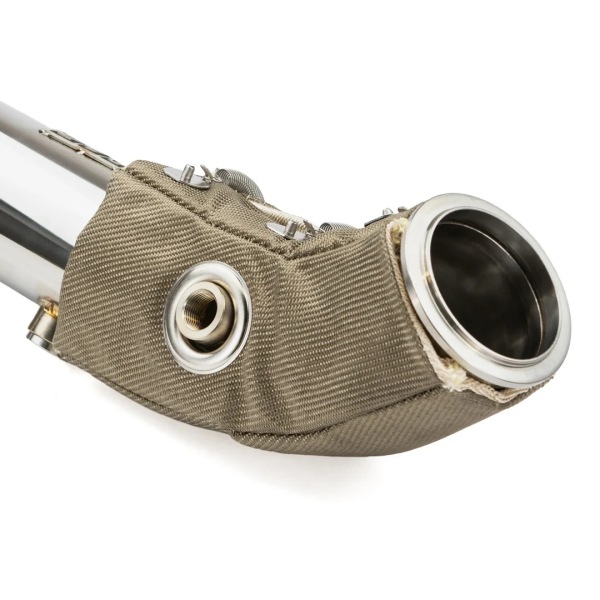
BSTFLEX cung cấp vật tưBọc cách nhiệt cho ống xả và cổ pôtrong các cấu trúc sợi chịu nhiệt độ cao khác nhau.
Vật liệu bọc là một cách đơn giản để cách nhiệt các bề mặt hình ống dài, nhưng lại kém tiện lợi khi hệ thống ống xả phải được mở ra thường xuyên để bảo dưỡng.
Một số đường ống xả cần giải pháp dạng ống bọc thay vì dạng tấm phủ được chế tạo sẵn.
Có thể lắp đặt lớp cách nhiệt mềm dẻo cho các ống xả nhỏ hơn, nơi đường kính và hình dạng tương đối đơn giản.
Ví dụ, BSTFLEXVật liệu cách nhiệt cho ống xả máy sưởi dieselĐược thiết kế cho hệ thống đường ống xả nhỏ gọn, sử dụng trong các ứng dụng như hệ thống sưởi bằng dầu diesel.
Các giải pháp bọc và cách nhiệt có thể đặc biệt hữu ích trong các trường hợp sau:
Không gian lắp đặt có hạn;
Đường ống này tương đối nhỏ;
Cần có sự giám sát liên tục;
Việc lắp đặt một tấm chắn cứng sẽ rất khó khăn.
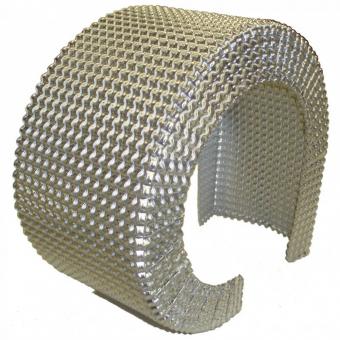
Tấm chắn kim loại không nhất thiết phải chạm vào đường ống.
Thay vào đó, nó thường được lắp đặt với một khoảng cách được kiểm soát giữa tấm chắn và nguồn nhiệt.
Cách bố trí này đặc biệt hiệu quả trong việc giảm nhiệt bức xạ hướng về các bộ phận lân cận.
Các vật liệu thông thường bao gồm:
nhôm;
thép không gỉ;
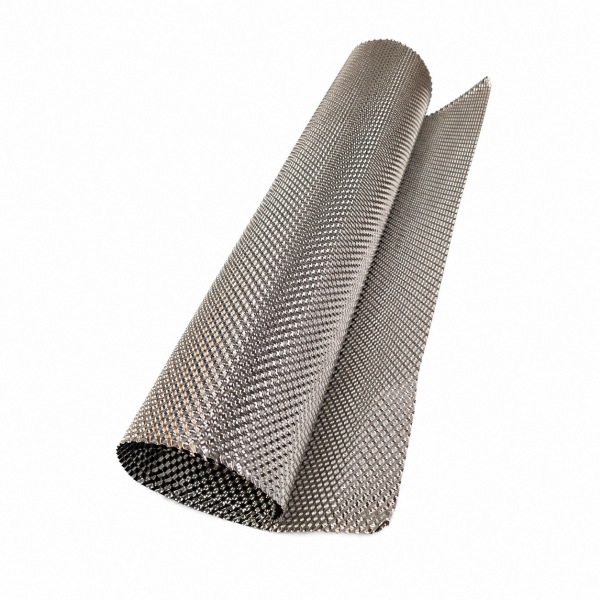
thép không gỉ dập nổi;
hợp kim niken.
Nên sử dụng tấm chắn nhiệt bằng kim loại trong các trường hợp sau:
Độ dày khi lắp đặt phải thấp;
Khả năng chống va đập cơ học rất quan trọng;
Tấm chắn phải giữ nguyên hình dạng cụ thể;
Nhiệt bức xạ là mối quan tâm hàng đầu.
Đối với môi trường khắc nghiệt, BSTFLEX cũng sản xuất...Tấm chắn nhiệt hợp kim 625 Inconelcác thành phần.
Các thuật ngữ này thường được sử dụng thay thế cho nhau, nhưng chức năng kỹ thuật của chúng có thể khác nhau.
cách nhiệt ống xảThông thường, nó bao quanh đường ống và hạn chế sự truyền nhiệt thông qua một lớp cách nhiệt.
MỘTtấm chắn nhiệt ống xảNó thường nằm giữa đường ống và bộ phận cần được bảo vệ.
Một trong số đó chứa nhiệt.
Các khối khác sẽ chặn hoặc chuyển hướng nó.
Trong một số hệ thống ống xả, cả hai đều được sử dụng.
Động cơ diesel có thể có một lớp cách nhiệt có thể tháo rời bao quanh ống xả, trong khi một tấm chắn bằng thép không gỉ bảo vệ hộp điện gần đó.
That combination can provide better thermal control than either solution alone.
Material selection should begin with continuous operating conditions.
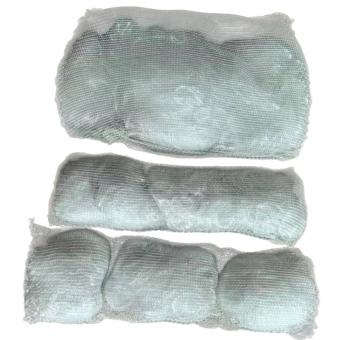
Fiberglass is one of the most widely used materials for exhaust insulation.
Advantages include:
flexibility;
good thermal resistance;
availability in many constructions;
practical manufacturing cost.
Fiberglass can be used in:
blankets;
tapes;
wraps;
sleeves;
composite heat shields.
It is often suitable for moderate and high-temperature exhaust applications where extreme temperature exposure is not continuous.
High silica material is selected when higher heat resistance is required.
It may be used as:
outer fabric;
inner hot-side layer;
insulation textile;
heat-resistant wrap.
Silica constructions are useful around:
turbocharged exhaust systems;
manifolds;
high-output diesel engines;
industrial exhaust equipment.
Basalt-based materials are frequently used in automotive and performance exhaust insulation.
They offer:
flexible installation;
strong heat resistance;
good compatibility with wrapped exhaust tubes.
Basalt is often seen in heat wrap and shaped blanket applications.
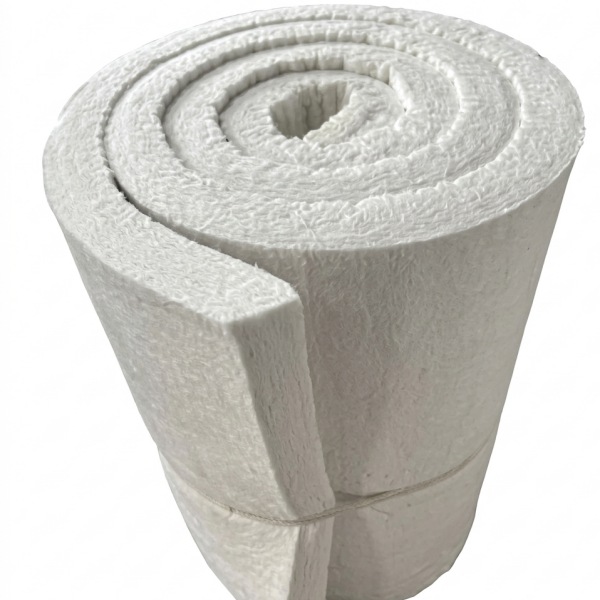
Where a greater temperature reduction is required within limited space, high-temperature insulation cores may be used.
These materials are normally enclosed within:
fiberglass fabric;
silica fabric;
stainless steel foil;
stainless steel mesh.
The insulation core should not be evaluated separately from the blanket construction.
Aluminum is primarily used as a reflective surface rather than a thick insulation medium.
Its low weight makes it particularly suitable for:
automotive underbody protection;
exhaust pipe heat shields;
muffler shields;
vehicle floor insulation.
Stainless steel is preferred where the exhaust heat shield also requires mechanical strength.
It performs well in applications exposed to:
vibration;
road debris;
repeated thermal cycling;
higher temperatures.
Nickel alloys such as Alloy 625 are reserved for demanding environments where temperature, oxidation and corrosion requirements exceed the limits of conventional sheet metals.
A thicker insulation layer generally reduces heat transfer more effectively, but this does not mean the thickest available blanket is automatically the best design.
Increasing thickness can create problems with:
component clearance;
mounting brackets;
adjacent pipe routing;
sensor access;
engine compartment packaging.
In tightly packaged automotive systems, only a few millimeters of space may be available.
In a large generator enclosure, considerably thicker insulation may be practical.
The correct insulation thickness should therefore balance thermal performance with installation geometry.
Diesel exhaust pipes frequently operate for long periods under load.
Heat containment becomes especially important in:
trucks;
construction equipment;
agricultural machinery;
industrial engines;
stationary power systems.
A removablediesel exhaust pipe insulationsystem can reduce heat released into the surrounding engine compartment while still allowing service access.
Generator exhaust piping often runs through compact acoustic enclosures.
This creates a concentrated heat source close to:
electrical cabinets;
acoustic materials;
engine components;
service areas.
A generator exhaust insulation system commonly uses removable sections around pipes, elbows and silencers.
This also allows the insulation to be removed during maintenance without replacing the entire system.
Marine exhaust systems present additional concerns including:
limited ventilation;
moisture;
salt exposure;
vibration;
restricted service space.
For dry marine exhaust systems, segmented blankets are often preferred because they allow easy access to flanges and exhaust connections.
Passenger and performance vehicles use exhaust insulation for:
headers;
downpipes;
catalytic converters;
center exhaust pipes;
mufflers.
Depending on available space, solutions may include:
wrap;
shaped blanket;
metal shield;
reflective barrier.
Industrial engines and machinery may use large-diameter exhaust lines that require customized blanket sections.
These applications often place greater importance on:
durability;
repeatable installation;
service access;
identification of individual insulation sections.
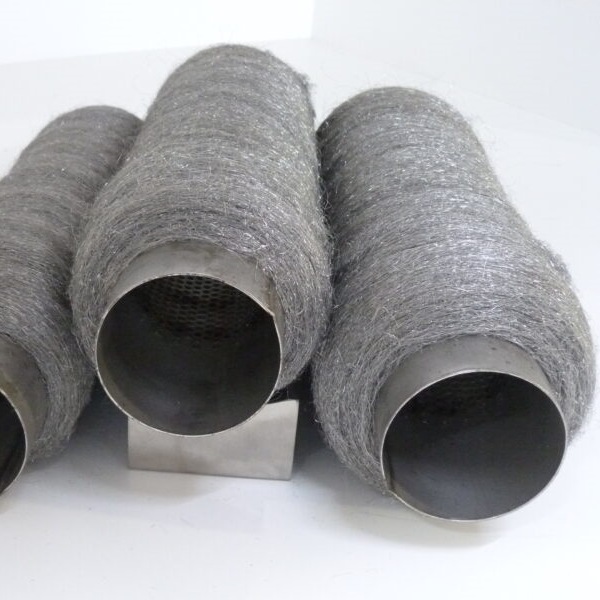
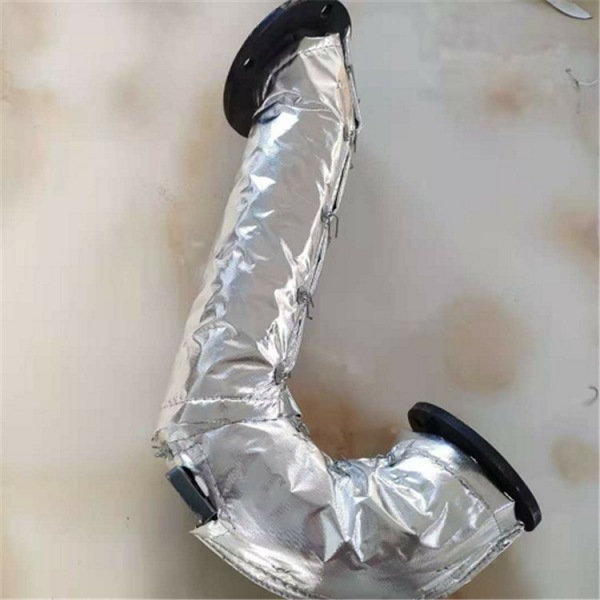
A bend is often more difficult to insulate than a straight pipe.
Wrap can follow gradual bends, but large industrial elbows may benefit from a fitted insulation blanket.
The BSTFLEXThermal Insulation Elbow Blanketis designed for curved exhaust geometry where a standard flat insulation section cannot maintain consistent coverage.
A well-designed elbow blanket should consider:
bend radius;
flange position;
pipe diameter;
seam location;
fastener access.
One of the most common weaknesses in an exhaust insulation system is the flange area.
A thick blanket may work well on the pipe but leave a large exposed metal flange.
That exposed section can become a strong local heat source.
For higher-performance systems, insulation should therefore be designed around:
flange diameter;
bolt access;
connection points;
sensors;
expansion joints.
A removable flap or separate flange blanket may be used where regular access is required.
For serious OEM projects, saying “we need exhaust insulation” is not enough.
A better specification is:
exhaust pipe operating temperature;
ambient temperature;
pipe diameter;
required outer surface temperature;
insulation thickness limit;
airflow condition.
This allows the insulation design to be evaluated against a measurable target.
Without these conditions, it is difficult to compare two insulation systems accurately.
Maintenance requirements are particularly important for:
marine engines;
generators;
mining equipment;
construction machinery;
industrial engines.
If technicians need frequent access to exhaust joints or engine components, permanent wrap can create additional maintenance work.
A removable blanket is usually more practical in these situations.
A segmented system may be designed so that:
each section has an identification mark;
only the required section is removed;
the blanket can be reinstalled after inspection.
This reduces disruption during service.
A high published temperature rating does not guarantee that the complete insulation system will perform correctly.
The full assembly must be considered.
An insulation material that performs well in a laboratory may fail quickly if it rubs continuously against a bracket or neighboring component.
Insulation should not prevent access to:
sensors;
clamps;
inspection ports;
flange bolts.
An exhaust system may need different thermal solutions in different areas.
For example:
manifold: shaped blanket;
straight pipe: wrap;
elbow: removable blanket;
muffler: metal shield.
The outer layer must suit the operating environment, not just the temperature.
Instead of selecting exhaust insulation by material name, use the following sequence.
For a simple tubular pipe:
Consider exhaust wrap or sleeve insulation.
For a pipe that requires regular inspection:
Use a removable pipe insulation blanket.
For an irregular elbow or flange:
Use a custom shaped blanket.
For protecting a nearby panel from radiant heat:
Use a metal or reflective heat shield.
For extreme heat and demanding environments:
Evaluate high-silica, high-temperature fiber, stainless steel or nickel-alloy constructions.
This approach is more reliable than choosing one product type for the complete exhaust system.
For accurate design and quotation, provide:
Pipe dimensions
outside diameter;
overall insulated length;
bend radius;
flange dimensions.
Temperature
normal operating temperature;
maximum temperature.
Installation environment
automotive;
marine;
generator;
industrial;
outdoor;
enclosed.
Service requirement
removable;
permanent;
frequency of maintenance.
Performance requirement
target external temperature;
maximum insulation thickness.
Project information
sample or drawing;
prototype quantity;
expected production volume.
The more complete the input data, the easier it is to design an insulation system that fits correctly from the first prototype.
Exhaust pipe insulation is worth considering whenever an exhaust line creates unacceptable heat exposure for the surrounding system.
The decision should be driven by actual conditions rather than by appearance.
If the objective is to lower heat around the pipe, protect surrounding components or create a safer service environment, an insulation blanket, wrap, sleeve or heat shield may be appropriate.
For applications involving multiple exhaust components, the best result often comes from combining several insulation methods.
BSTFLEX manufacturesexhaust heat shield insulation, removable blankets, exhaust wraps, lagging and custom metal heat shields for automotive, marine, diesel, generator and industrial exhaust systems.
Đối với vật liệu cách nhiệt ống xả tùy chỉnh, hãy cung cấp kích thước ống, nhiệt độ hoạt động, môi trường lắp đặt và số lượng cần thiết. Sau đó, có thể lựa chọn cấu trúc cách nhiệt phù hợp với hệ thống xả thực tế thay vì chỉ dựa trên mức nhiệt độ định mức chung.

No.10, Chuangxin North Road, Nanshan Park, Ningguo Economic and Technological Development Zone, Ningguo City, Anhui Province, China
điện thoại/Whatsapp : 0086-15856303740
e-mail : sales@bstbraidedsleeve.com
Skype : vanesa-cheng