Bạn đang tìm kiếm cái gì?
Vật liệu tấm chắn nhiệt là vật liệu bảo vệ nhiệt được thiết kế kỹ thuật nhằm giảm truyền nhiệt, kiểm soát nhiệt bức xạ và bảo vệ các bộ phận ô tô nhạy cảm khỏi nhiệt độ khắc nghiệt. Trong các phương tiện hiện đại, vật liệu tấm chắn nhiệt được sử dụng rộng rãi xung quanh cổ góp khí xả, bộ tăng áp, bộ chuyển đổi xúc tác, bộ giảm thanh, khoang động cơ và hệ thống nạp, nơi nhiệt độ cao có thể ảnh hưởng đến hiệu suất, độ tin cậy và an toàn.
Khi động cơ ô tô ngày càng mạnh mẽ và nhỏ gọn hơn, việc quản lý nhiệt trở nên ngày càng quan trọng. Vật liệu tấm chắn nhiệt chịu nhiệt độ cao giúp ngăn chặn sự tiếp xúc nhiệt quá mức bằng cách phản xạ năng lượng bức xạ và tạo ra một lớp bảo vệ giữa nguồn nhiệt và các bộ phận xung quanh.
BSTFLEX sản xuất các vật liệu tấm chắn nhiệt ô tô bao gồm vật liệu tấm chắn nhiệt bằng thép không gỉ, vật liệu tấm chắn nhiệt bằng nhôm và vật liệu tấm chắn nhiệt Inconel 625 dành cho các ứng dụng bảo vệ nhiệt trong ô tô OEM, đua xe thể thao, hệ thống khí xả và công nghiệp.
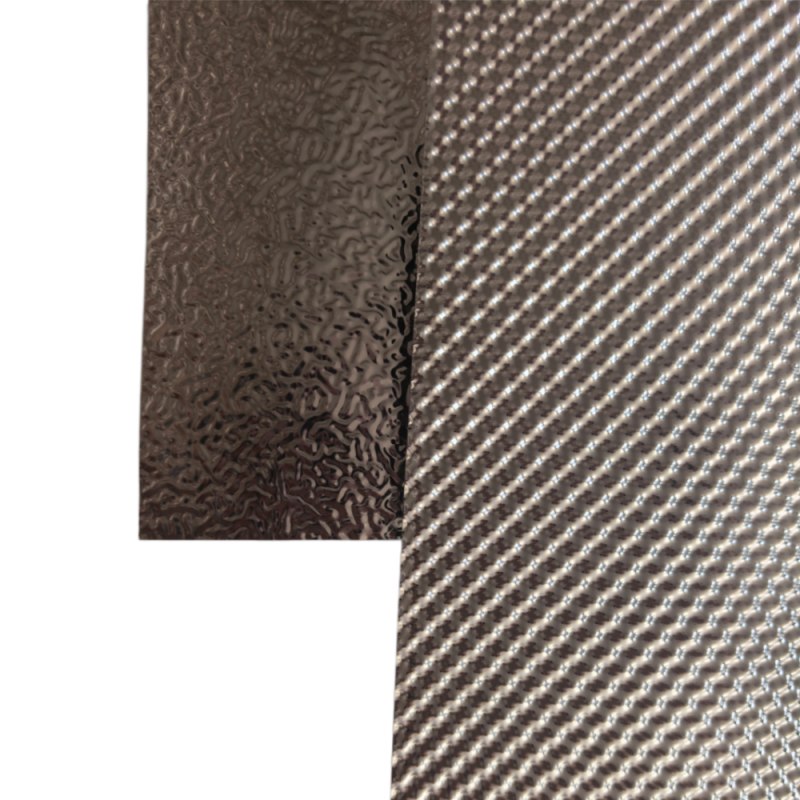
Vật liệu tấm chắn nhiệt là vật liệu được thiết kế đặc biệt để bảo vệ các bộ phận khỏi môi trường nhiệt độ cao bằng cách giảm bức xạ nhiệt, dẫn nhiệt và sự tiếp xúc nhiệt. Không giống các vật liệu cách nhiệt truyền thống chủ yếu ngăn chặn truyền nhiệt, nhiều vật liệu tấm chắn nhiệt kim loại hoạt động bằng cách phản xạ nhiệt bức xạ ra khỏi khu vực được bảo vệ.
Tấm chắn nhiệt ô tô thường được sản xuất từ kim loại nhẹ vì chúng cần khả năng chịu nhiệt độ tuyệt vời, chống ăn mòn, độ bền cơ học và tuổi thọ dài. Các vật liệu phổ biến bao gồm nhôm, thép không gỉ và các hợp kim gốc niken như Inconel.
Việc lựa chọn vật liệu tấm chắn nhiệt phụ thuộc vào nhiệt độ vận hành, vị trí lắp đặt, không gian sẵn có, yêu cầu về trọng lượng và điều kiện môi trường.
Hệ thống khí xả ô tô tạo ra nhiệt độ cực cao trong quá trình vận hành. Cổ góp khí xả, bộ tăng áp và bộ chuyển đổi xúc tác có thể truyền lượng nhiệt đáng kể đến các khu vực lân cận, gây rủi ro cho bó dây điện, hệ thống nhiên liệu, các bộ phận nhựa và các chi tiết trong khoang động cơ.
Một vật liệu tấm chắn nhiệt được thiết kế phù hợp cung cấp khả năng bảo vệ thông qua nhiều chức năng:
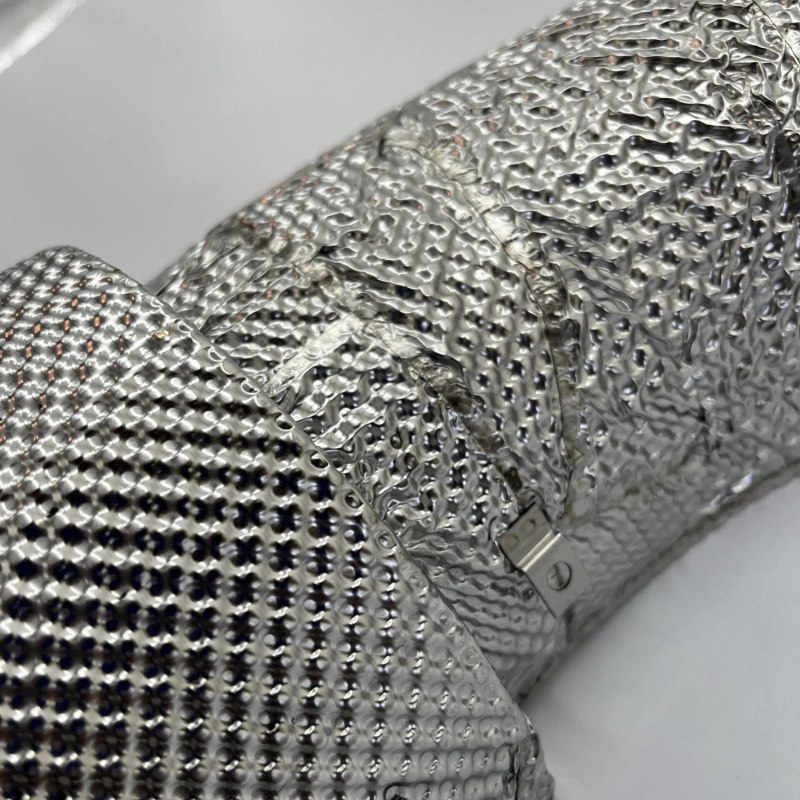
Vật liệu tấm chắn nhiệt bằng thép không gỉ là một trong những giải pháp được sử dụng rộng rãi nhất để bảo vệ hệ thống khí xả ô tô nhờ độ bền tuyệt vời, khả năng chống ăn mòn và hiệu suất ở nhiệt độ cao.
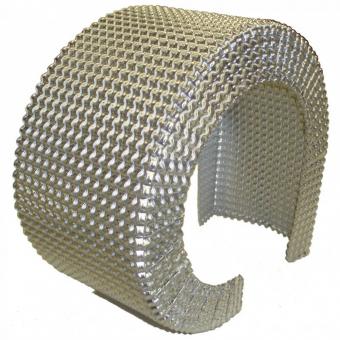
Các tấm chắn nhiệt bằng thép không gỉ dập nổi cung cấp độ bền kết cấu cao hơn trong khi vẫn duy trì đặc tính nhẹ. Chúng thường được sử dụng cho cổ góp khí xả, bộ chuyển đổi xúc tác, bộ giảm thanh và bảo vệ khoang động cơ.
Vật liệu tấm chắn nhiệt bằng nhôm được ưu tiên khi cần giải pháp bảo vệ nhiệt nhẹ. Nhôm có khả năng phản xạ nhiệt tuyệt vời với trọng lượng thấp hơn so với thép không gỉ.
Nó thường được ứng dụng trong các tấm chắn nhiệt ô tô, hệ thống bảo vệ đường nạp, lớp chắn nhiệt gầm xe và những khu vực cần giảm trọng lượng.
Vật liệu tấm chắn nhiệt Inconel 625 được thiết kế cho các môi trường nhiệt độ cực cao, nơi các kim loại tiêu chuẩn có thể không cung cấp đủ hiệu suất.
Nhờ khả năng chống oxy hóa tuyệt vời, chống ăn mòn và độ bền ở nhiệt độ cao, vật liệu tấm chắn nhiệt Inconel thường được lựa chọn cho bảo vệ bộ tăng áp, hệ thống khí xả đua xe, ứng dụng hàng không vũ trụ và các phương tiện hiệu suất cao.
| Vật liệu | Ưu điểm chính | Ứng dụng điển hình |
|---|---|---|
| Vật liệu tấm chắn nhiệt bằng nhôm | Nhẹ, phản xạ nhiệt xuất sắc, tiết kiệm chi phí | Khoang động cơ, hệ thống nạp khí, tấm chắn nhiệt ô tô |
| Vật liệu tấm chắn nhiệt bằng thép không gỉ | Độ bền cao, chống ăn mòn, tuổi thọ sử dụng lâu dài | Bảo vệ ống góp xả, bộ chuyển đổi xúc tác, bộ giảm thanh |
| Vật liệu tấm chắn nhiệt Inconel 625 | Khả năng chịu nhiệt độ cực cao, độ bền vượt trội | Bộ tăng áp, hệ thống xả xe đua, các ứng dụng nhiệt độ cao |
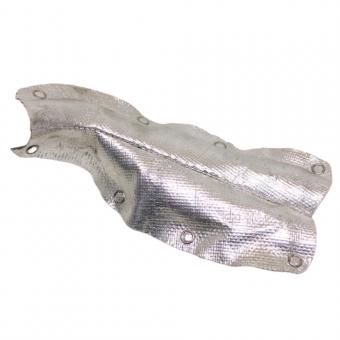
Vật liệu tấm chắn nhiệt kim loại được sử dụng rộng rãi trong các hệ thống xả vì kết hợp hiệu suất nhiệt với độ bền cơ học. So với các sản phẩm cách nhiệt linh hoạt, tấm chắn nhiệt kim loại dập nổi cung cấp một lớp bảo vệ cứng cáp có thể chịu được rung động, luồng khí và sự tiếp xúc lâu dài với nhiệt.
Đối với các nhà sản xuất ô tô và nhà cung cấp hệ thống xả, việc lựa chọn đúng vật liệu tấm chắn nhiệt xả giúp cải thiện khả năng bảo vệ linh kiện, giảm ứng suất nhiệt và duy trì hiệu suất xe ổn định.
Việc lựa chọn vật liệu tấm chắn nhiệt phù hợp cần đánh giá yêu cầu về nhiệt độ, môi trường lắp đặt, giới hạn trọng lượng và tuổi thọ sử dụng dự kiến.
Vật liệu tấm chắn nhiệt bằng nhôm phù hợp với các ứng dụng nhẹ, vật liệu tấm chắn nhiệt bằng thép không gỉ cung cấp giải pháp cân bằng cho hầu hết hệ thống xả ô tô, trong khi vật liệu tấm chắn nhiệt Inconel 625 được khuyến nghị cho môi trường nhiệt độ cực cao.
BSTFLEX cung cấp các giải pháp vật liệu tấm chắn nhiệt tùy chỉnh bao gồm lựa chọn vật liệu, kiểu dập nổi, tùy chỉnh độ dày và phát triển OEM theo yêu cầu của khách hàng.
BSTFLEX là nhà sản xuất chuyên nghiệp về vật liệu tấm chắn nhiệt ô tô, cung cấp các giải pháp lớp chắn nhiệt bằng thép không gỉ, nhôm và Inconel cho khách hàng OEM toàn cầu, nhà sản xuất hệ thống xả và các công ty xe hiệu suất cao.
Liên hệ với đội ngũ kỹ thuật của chúng tôi để nhận đề xuất vật liệu, thiết kế tùy chỉnh và hỗ trợ báo giá cho các dự án bảo vệ nhiệt của bạn.
Vật liệu tấm chắn nhiệt ô tô tốt nhất phụ thuộc vào ứng dụng. Nhôm thường được lựa chọn để bảo vệ nhẹ, thép không gỉ được sử dụng rộng rãi cho hệ thống xả, và Inconel 625 phù hợp với môi trường nhiệt độ cực cao.
Tấm chắn nhiệt hệ thống xả thường sử dụng vật liệu nhôm, thép không gỉ và hợp kim niken vì chúng cung cấp khả năng phản xạ nhiệt tuyệt vời, chống ăn mòn và độ bền cao.
Có. BSTFLEX cung cấp vật liệu tấm chắn nhiệt tùy chỉnh với nhiều độ dày, kiểu dập nổi, kích thước và yêu cầu tạo hình khác nhau cho các ứng dụng OEM.
Vật liệu tấm chắn nhiệt dập nổi là tấm chắn nhiệt kim loại có bề mặt được tạo hình với các hoa văn giúp tăng độ cứng, giảm rung động và duy trì kết cấu nhẹ.

No.10, Chuangxin North Road, Nanshan Park, Ningguo Economic and Technological Development Zone, Ningguo City, Anhui Province, China
điện thoại/Whatsapp : 0086-15856303740
e-mail : sales@bstbraidedsleeve.com
Skype : vanesa-cheng