Bạn đang tìm kiếm cái gì?
Hệ thống khí xả hoạt động trong một trong những khu vực có yêu cầu nhiệt khắt khe nhất của xe, động cơ hoặc hệ thống điện công nghiệp. Cổ góp khí xả, bộ tăng áp, ống dẫn xuống, bộ chuyển đổi xúc tác, bộ giảm thanh và đường ống khí xả có thể tạo ra lượng nhiệt bức xạ và nhiệt truyền dẫn cực lớn, gây ứng suất nhiệt cho hệ thống dây điện, ống dẫn, cảm biến, tấm thân xe, các bộ phận của hệ thống nhiên liệu và thiết bị xung quanh.
Lớp cách nhiệt tấm chắn nhiệt khí xả được sử dụng để kiểm soát lượng nhiệt này tại hoặc gần nguồn phát sinh.
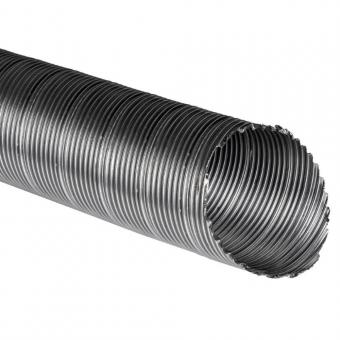
BSTFLEX sản xuất nhiều loại giải pháp cách nhiệt tấm chắn nhiệt khí xả cho hệ thống khí xả ô tô, đua xe thể thao, động cơ diesel, máy phát điện, hàng hải và công nghiệp. Các cấu tạo có sẵn bao gồm chăn cách nhiệt có thể tháo rời, tấm chắn nhiệt kim loại định hình, lớp cách nhiệt ống khí xả, lớp lót nhiệt, lớp bọc mềm, chăn cách nhiệt cổ góp và các lớp chắn nhiệt nhiều lớp.
Thay vì sử dụng một phương pháp cách nhiệt cho mọi hệ thống khí xả, giải pháp nhiệt phù hợp cần được lựa chọn dựa trên nhiệt độ khí xả, không gian lắp đặt sẵn có, hình dạng bộ phận, độ rung, mức độ tiếp xúc môi trường, mức giảm nhiệt độ bề mặt yêu cầu và các yêu cầu bảo dưỡng.
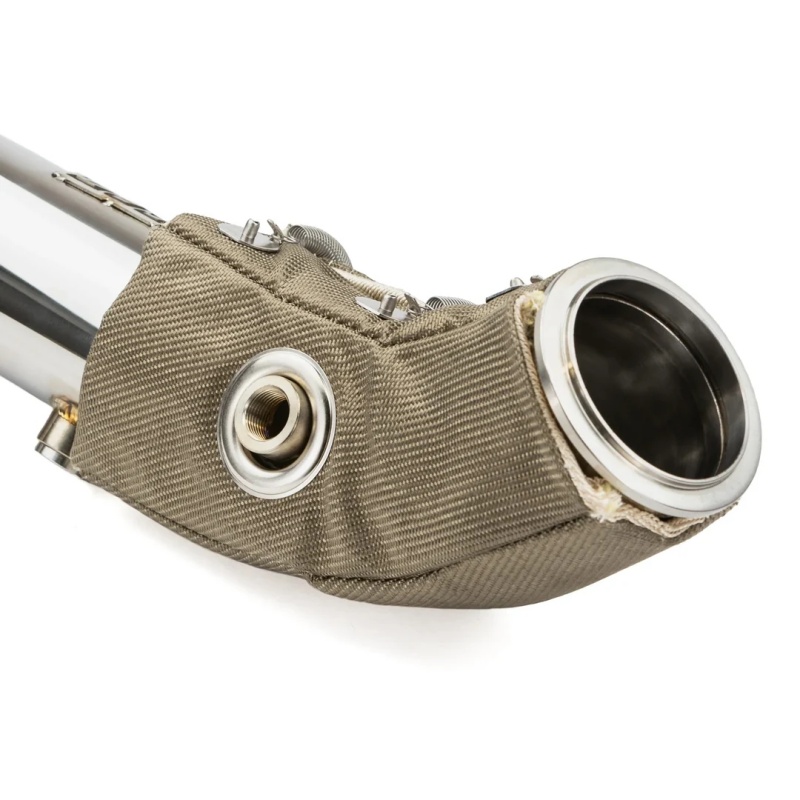
Lớp cách nhiệt tấm chắn nhiệt khí xả là một hệ thống bảo vệ nhiệt được thiết kế để giảm sự truyền nhiệt từ các bộ phận khí xả nóng đến các khu vực xung quanh.
Tùy thuộc vào ứng dụng, tấm chắn nhiệt khí xả có thể hoạt động bằng cách:
phản xạ nhiệt bức xạ ra khỏi các bộ phận nhạy cảm;
giữ nhiệt bên trong cổ góp khí xả, đường ống hoặc bộ tăng áp;
giảm nhiệt độ bề mặt bên ngoài của các bộ phận khí xả nóng;
tạo ra khoảng cách không khí được cách nhiệt giữa nguồn nhiệt và các bộ phận xung quanh;
làm chậm quá trình truyền nhiệt dẫn qua lớp cách nhiệt nhiều lớp;
bảo vệ dây điện, ống dẫn, cảm biến, tấm thân xe và thiết bị lân cận khỏi sự tiếp xúc nhiệt kéo dài.
Một tấm chắn nhiệt khí xả và lớp cách nhiệt khí xả do đó không phải lúc nào cũng chỉ cùng một loại cấu tạo.
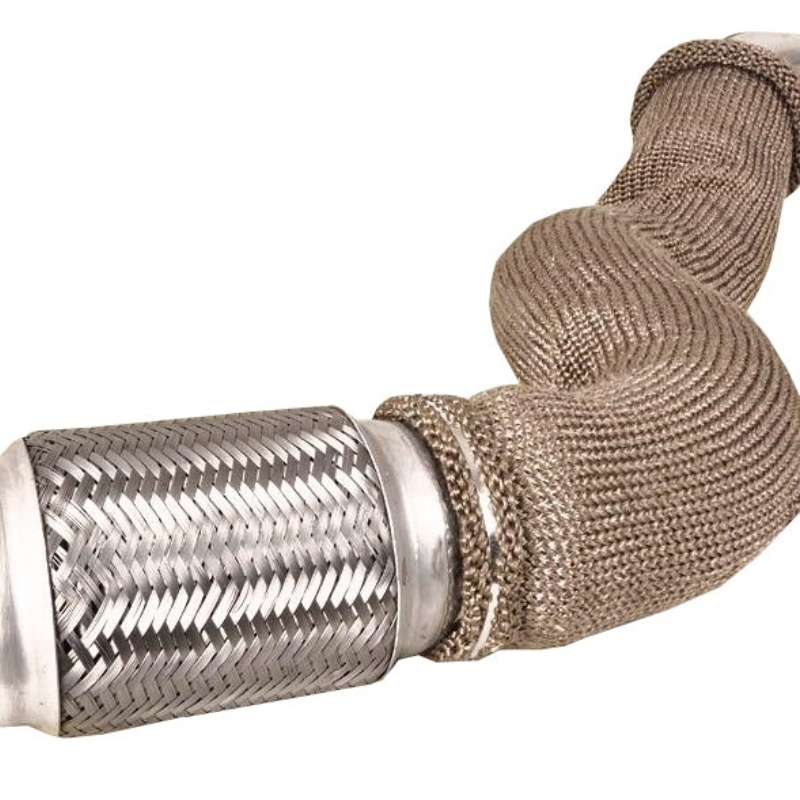
Một tấm chắn định hình bằng nhôm, thép không gỉ hoặc hợp kim niken chủ yếu quản lý nhiệt bức xạ và thường kết hợp với khoảng cách không khí hoặc lớp cách nhiệt bổ sung. Một chăn cách nhiệt khí xả có thể tháo rời bao quanh nguồn nhiệt gần hơn và giữ năng lượng nhiệt bằng vật liệu cách nhiệt dệt chịu nhiệt cao.
Đối với các hệ thống lắp đặt yêu cầu cao, hai khái niệm này cũng có thể được kết hợp thành một lớp chắn nhiệt khí xả nhiều lớp.
Mặc dù các thuật ngữ này thường được sử dụng cùng nhau, chúng giải quyết các vấn đề nhiệt theo những cách khác nhau.
| Giải pháp nhiệt | Chức năng chính | Cấu tạo điển hình | Ứng dụng phổ biến |
|---|---|---|---|
| Tấm chắn nhiệt khí xả bằng kim loại | Phản xạ và chặn nhiệt bức xạ | Nhôm, thép không gỉ, hợp kim niken | Bộ chuyển đổi xúc tác, bộ giảm thanh, gầm xe, ống khí xả |
| Chăn cách nhiệt khí xả | Giữ nhiệt tại nguồn phát sinh | Vải ngoài chịu nhiệt, lõi cách nhiệt, lớp lót bên trong | Cổ góp, bộ tăng áp, ống khí xả, đoạn ống cong |
| Lớp cách nhiệt ống khí xả | Giảm nhiệt độ bề mặt ống và tổn thất nhiệt | Chăn, ống bọc, lớp quấn hoặc áo khoác nhiều lớp | Động cơ diesel, máy phát điện, động cơ hàng hải, hệ thống xả công nghiệp |
| Lớp lót tấm chắn nhiệt khí xả | Cách nhiệt phía sau một tấm chắn ngoài hiện có | Bề mặt kim loại với lớp cách nhiệt | Xe mô tô, hệ thống xả ô tô, tấm chắn nhiệt OEM |
| Lớp bọc cách nhiệt khí xả | Lớp cách nhiệt linh hoạt quanh đường ống | Kết cấu dệt chịu nhiệt cao hoặc dạng ống bọc | Hàng hải, bộ sưởi diesel và đường ống công nghiệp |
| Tấm chắn nhiệt | Phản xạ hoặc ngăn chặn truyền nhiệt | Kim loại dập nổi hoặc vật liệu composite kim loại-cách nhiệt | Khoang động cơ, vách ngăn lửa, tấm sàn, bộ giảm thanh, bộ chuyển đổi xúc tác |
Hiệu quả nhấthệ thống quản lý nhiệt khí xảcó thể sử dụng một số công nghệ này ở các khu vực khác nhau của cùng một cụm hệ thống xả.
Một ống xả nóng không chỉ tạo ra nhiệt độ bề mặt khó chịu.
Nhiệt tỏa ra từ hệ thống xả có thể liên tục khiến các bộ phận lân cận tiếp xúc với nhiệt độ cao. Trong các khoang động cơ được bố trí chật hẹp, khoảng cách giữa hệ thống xả và các bó dây điện, ống cao su, đường nhiên liệu, cảm biến, linh kiện nhựa hoặc kết cấu thân xe có thể rất nhỏ.
Tấm chắn nhiệt khí xả phù hợp có thể giúp:
Một tấm chắn nhiệt khí xả được thiết kế phù hợp sẽ ngăn gián đoạn đường truyền bức xạ trực tiếp giữa bộ phận xả và các chi tiết lân cận.
Điều này đặc biệt quan trọng xung quanh:
bộ tăng áp;
ống góp khí xả;
ống dẫn xuống;
bộ chuyển đổi xúc tác;
hệ thống DPF;
bộ giảm thanh;
cút nối khí xả;
hệ thống xả dưới gầm xe.
Chăn cách nhiệt và áo bọc đường ống có thể giảm tiếp xúc trực tiếp với các bề mặt kim loại cực nóng.
Điều này quan trọng trong phòng động cơ, vỏ bọc máy phát điện, hệ thống lắp đặt hàng hải và thiết bị nơi người vận hành hoặc nhân viên bảo trì có thể làm việc gần hệ thống xả.
Nhiệt độ khí xả quá cao có thể đẩy nhanh sự xuống cấp của các linh kiện điện, polymer và đàn hồi lân cận.
Do đó, kiểm soát nhiệt thường được tích hợp vào thiết kế của hệ thống dây điện động cơ, ống dẫn, cảm biến, đường chất lỏng, tấm thân xe và hệ thống điện tử.
Các phương tiện và máy móc hiện đại ngày càng bố trí nhiều linh kiện hơn bên trong các khoang động cơ nhỏ hơn.
Một tấm chắn nhiệt hệ thống xả hiệu quả cho phép các kỹ sư quản lý các vùng nhiệt cục bộ mà không cần thiết kế lại toàn bộ bố cục hệ thống xả.
BSTFLEX sản xuất các cấu trúc bảo vệ nhiệt khí xả khác nhau vì hệ thống xả có sự khác biệt đáng kể về hình học và môi trường vận hành.
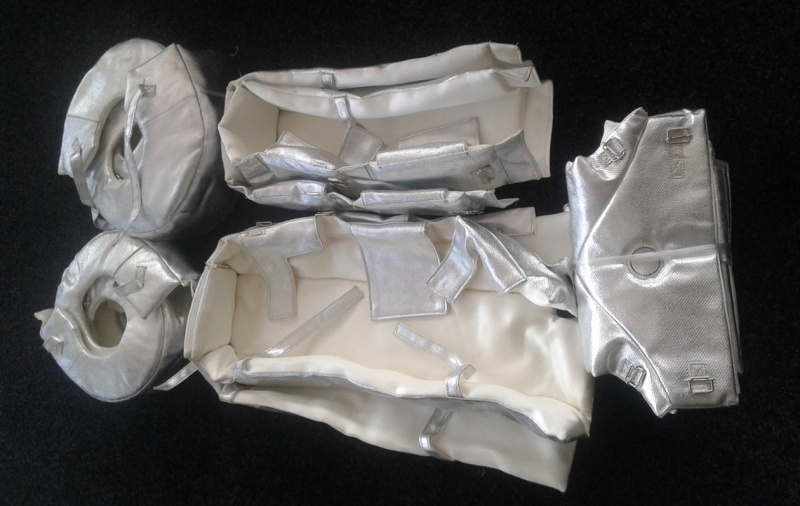
Một chăn khí xả có thể tháo rời được thiết kế để ôm sát một bộ phận cụ thể đồng thời cho phép tháo ra để kiểm tra hoặc bảo trì.
Các cấu trúc điển hình có thể kết hợp:
vải dệt bên ngoài chịu nhiệt độ cao;
lõi cách nhiệt;
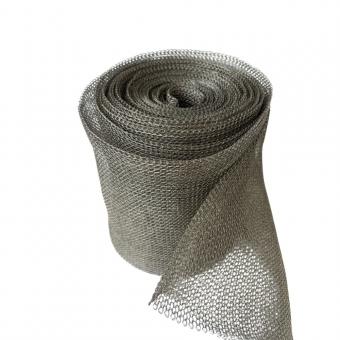
lưới thép không gỉ hoặc lớp bên trong chịu nhiệt;
móc và lò xo;
dây buộc;
chi tiết cố định bằng thép không gỉ;
các hệ thống cố định tùy chỉnh khác.
Các chăn này thường được sử dụng cho ống góp khí xả, bộ tăng áp, ống dẫn xuống, ống xả, đoạn cong và các bộ phận có hình dạng không đều khác.
Đối với các ứng dụng ống góp có hình dạng đặc biệt, xem BSTFLEX Chăn ống góp đầu bằng titan và Chăn ống góp bộ tăng áp.
Cách nhiệt ống xả được sử dụng khi cần kiểm soát nhiệt cho một đoạn ống xả có chiều dài đáng kể.
Tùy thuộc vào đường kính ống, nhiệt độ, môi trường và yêu cầu về khả năng bảo dưỡng, vật liệu cách nhiệt có thể được cung cấp dưới dạng:
chăn cách nhiệt ống có thể tháo rời;
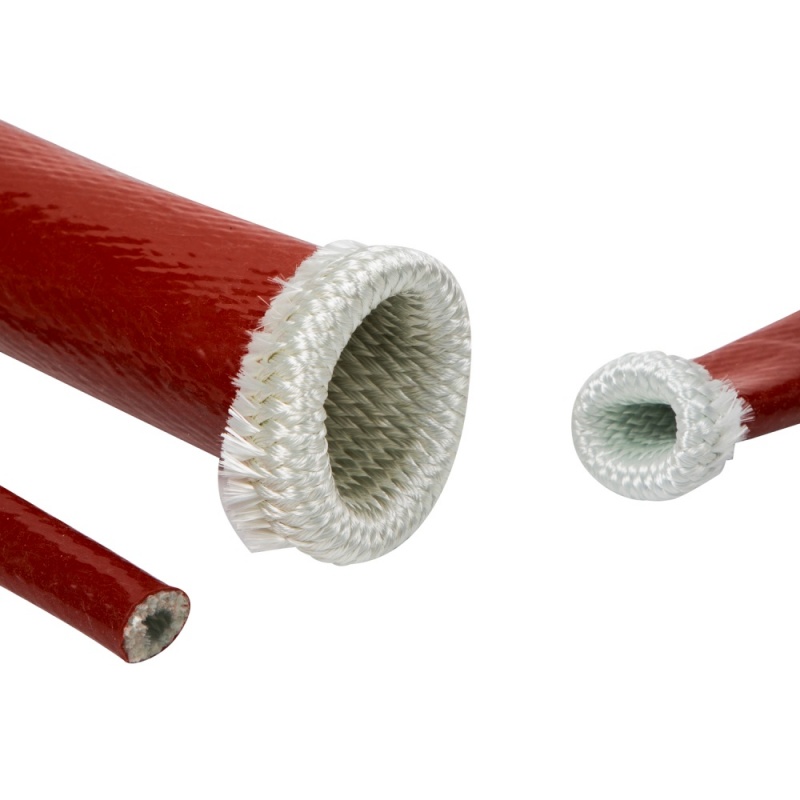
ống bọc cách nhiệt bằng vải dệt;
lớp bọc cách nhiệt khí xả;
băng quấn khí xả;
áo khoác cách nhiệt dạng phân đoạn;
rào chắn nhiệt có bề mặt kim loại.
Cách nhiệt ống đặc biệt hữu ích cho động cơ diesel, máy phát điện, hệ thống xả hàng hải, động cơ công nghiệp và máy móc kín.
Mục tiêu không chỉ đơn giản là đặt vật liệu cách nhiệt xung quanh một đường ống. Hệ thống cách nhiệt phải chịu được chu kỳ nhiệt, rung động và hình dạng của các mối nối, đoạn cong, mặt bích và điểm lắp đặt.
Ống góp khí xả là các bộ phận nhỏ gọn, nhiệt độ cao được đặt gần nhiều bộ phận quan trọng của động cơ.
Một chăn cách nhiệt ống góp khí xả ôm theo hình dạng của ống góp và giúp giữ nhiệt trước khi nhiệt bức xạ khắp khoang động cơ.
Các ứng dụng bao gồm:
xe hiệu suất cao;
động cơ tăng áp;
hệ thống đua xe;
động cơ diesel;
động cơ công nghiệp;
thiết bị hạng nặng.
BSTFLEX có thể phát triển các tấm phủ cách nhiệt ống góp dựa trên bản vẽ, số đo, dữ liệu CAD hoặc mẫu vật lý.
Cách nhiệt phẳng tiêu chuẩn thường khó lắp đặt xung quanh các khuỷu và bộ phận xả cong.
Tấm phủ định hình giúp che phủ đồng nhất hơn và giảm số lượng phần chồng lên nhau hoặc khe hở xung quanh đoạn uốn cong.
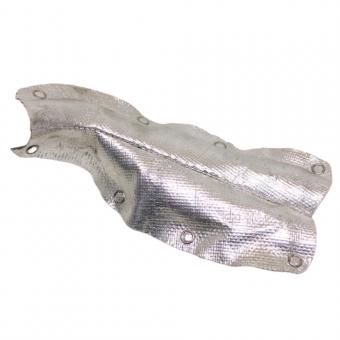
BSTFLEX Tấm phủ cách nhiệt khuỷu ống được thiết kế cho loại hình dạng này và có thể được điều chỉnh cho ống đứng xả, khuỷu trộn và các đường ống cong nhiệt độ cao khác.
Các hệ thống xả tăng áp thường yêu cầu kiểm soát nhiệt bổ sung xung quanh ống dẫn xuống do vị trí gần với dây điện, ống dẫn, bộ phận hộp số và các cấu trúc khoang động cơ.
Một Tấm phủ cách nhiệt ống dẫn xuống định hình cung cấp khả năng cách nhiệt cục bộ mà không cần bọc toàn bộ hệ thống xả.
Không phải mọi ứng dụng đều nên sử dụng tấm phủ dệt.
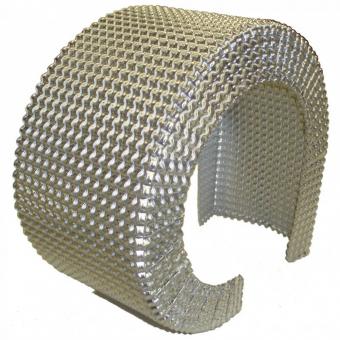
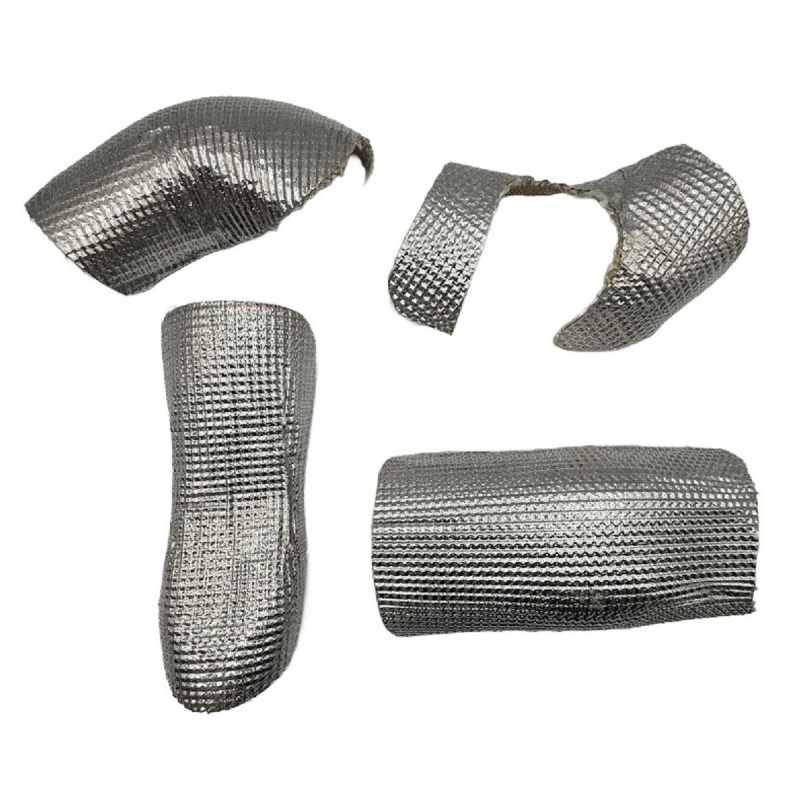
Khi cần độ bền kết cấu, độ dày hạn chế hoặc khả năng phản xạ nhiệt bức xạ mạnh, tấm chắn nhiệt kim loại định hình có thể phù hợp hơn.
Các vật liệu phổ biến bao gồm:
nhôm;
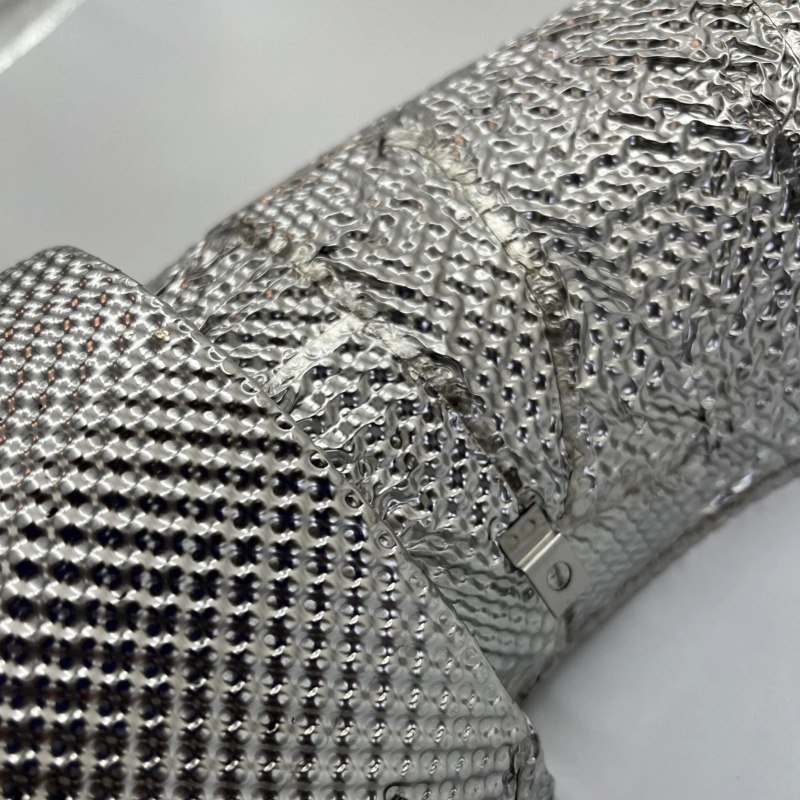
nhôm dập nổi;
thép không gỉ;
thép không gỉ dập nổi;
hợp kim niken.
Đối với môi trường ống xả và tăng áp khắc nghiệt, BSTFLEX sản xuất Tấm chắn nhiệt Inconel Alloy 625, có thể được cung cấp dưới dạng vật liệu tấm hoặc các bộ phận chắn nhiệt được tạo hình theo yêu cầu.
Một số hệ thống xả OEM đã có tấm chắn bên ngoài mang tính trang trí hoặc kết cấu nhưng cần hiệu suất nhiệt bổ sung.
Trong trường hợp này, lớp lót cách nhiệt có thể được lắp đặt giữa ống xả và tấm chắn nhiệt hiện có.
Lớp lót tấm chắn nhiệt ống xả BSTFLEX kết hợp lớp mặt kim loại với vật liệu cách nhiệt nhiệt độ cao và có thể được cắt chính xác để lắp đặt phù hợp với từng ứng dụng.
Phương pháp này đặc biệt hữu ích khi diện mạo bên ngoài ban đầu cần được giữ nguyên.
Bọc cách nhiệt ống xả cung cấp khả năng cách nhiệt linh hoạt quanh các đường ống khi không cần tấm chắn cứng hoặc tấm phủ định hình.
BSTFLEX Lớp bọc cách nhiệt ống xả của máy sưởi dieselví dụ, cung cấp một giải pháp cách nhiệt linh hoạt cho các đường ống xả nhỏ hơn được sử dụng trong các hệ thống sưởi diesel trên tàu biển, xe RV và các hệ thống lắp đặt khác.
Không có một vật liệu duy nhất nào là tốt nhất cho mọi hệ thống ống xả.
Việc lựa chọn vật liệu phụ thuộc vào:
nhiệt độ vận hành liên tục;
các mức nhiệt độ đỉnh;
cường độ nhiệt bức xạ;
độ dày lớp cách nhiệt yêu cầu;
rung động cơ học;
mức độ tiếp xúc với sự ăn mòn;
độ ẩm;
dầu và nhiên liệu;
không gian có sẵn;
hình dạng hình học của linh kiện;
tần suất bảo dưỡng;
yêu cầu về trọng lượng.
Sợi thủy tinh được sử dụng rộng rãi trong cách nhiệt ống xả vì nó kết hợp khả năng chịu nhiệt, tính linh hoạt và chi phí sản xuất thực tế.
Nó có thể được sử dụng trong:
ống bọc ống xả;
lớp bọc cách nhiệt;
chăn cách nhiệt;
lớp lót nhiệt;
tấm chắn nhiệt composite.
Các vật liệu dệt hàm lượng silica cao được lựa chọn cho những khu vực nhiệt độ cao hơn, nơi sợi thủy tinh tiêu chuẩn có thể không cung cấp đủ khả năng chịu nhiệt.
Vải silica và các lớp cách nhiệt có thể được tích hợp vào chăn cách nhiệt ống xả, tấm chắn và các cụm cách nhiệt nhiệt độ cao.
Các vật liệu nền bazalt thường được sử dụng trong bảo vệ nhiệt cho hệ thống ống xả hiệu suất cao.
Chúng cung cấp sự kết hợp hữu ích giữa khả năng chịu nhiệt độ, tính linh hoạt và độ bền cơ học cho chăn bọc cổ góp, chăn bọc ống dẫn xuống và các ứng dụng tương tự.
Lõi cách nhiệt bằng gốm hoặc các vật liệu cách nhiệt nhiệt độ cao khác có thể cung cấp khả năng chịu nhiệt mạnh hơn khi cần giảm nhiệt độ đáng kể trong không gian lắp đặt hạn chế.
Chúng thường được bảo vệ bằng một lớp dệt hoặc kim loại bên ngoài thay vì để lộ trực tiếp.
Nhôm có trọng lượng nhẹ và rất hiệu quả trong việc phản xạ nhiệt bức xạ.
Nó thường được sử dụng cho:
tấm chắn dưới gầm xe;
tấm chắn bộ giảm thanh;
tấm chắn bộ chuyển đổi xúc tác;
rào chắn nhiệt sàn;
các tấm chắn nhiệt khoang động cơ.
Thép không gỉ mang lại độ bền cơ học và khả năng chịu nhiệt cao hơn nhôm trong nhiều ứng dụng hệ thống xả.
Vật liệu này đặc biệt phù hợp khi tấm chắn phải chịu tác động của rung động, mảnh vụn trên đường hoặc nhiệt độ khí xả cao.
Các hợp kim niken như Hợp kim 625 được sử dụng khi môi trường khí xả yêu cầu khả năng chống chịu nhiệt, oxy hóa và ăn mòn cao hơn.
Chúng thường được dành riêng cho các ứng dụng tải nặng, nơi các giải pháp nhôm hoặc thép không gỉ thông thường có thể không cung cấp đủ độ bền cần thiết.
Hệ thống xả ô tô tạo ra một số vùng nhiệt riêng biệt.
Bảo vệ nhiệt có thể cần thiết xung quanh:
cổ góp xả;
ống góp xả;
bộ tăng áp;
ống dẫn xuống;
bộ chuyển đổi xúc tác;
hệ thống DPF;
bộ giảm thanh;
đường hầm hộp số;
tấm sàn xe;
ống xả dưới gầm xe.
Một tấm chắn nhiệt khí xả ô tô do đó có thể dao động từ một tấm chắn nhôm dập nổi nhẹ đến một lớp chăn bọc cách nhiệt vừa khít cho ống góp hoặc một tấm chắn thép không gỉ nhiều lớp.
Giải pháp phù hợp phụ thuộc vào bộ phận cần được bảo vệ.
Nếu mục tiêu là bảo vệ sàn xe hoặc tấm thân xe khỏi nhiệt bức xạ, một lớp chắn phản xạ có thể là đủ.
Nếu mục tiêu là giữ nhiệt trực tiếp xung quanh ống góp xả hoặc ống dẫn xuống, một lớp chăn cách nhiệt vừa khít thường sẽ cung cấp khả năng giữ nhiệt toàn diện hơn.
Động cơ diesel được sử dụng trong xe tải, máy móc xây dựng, máy phát điện, thiết bị nông nghiệp, tàu thuyền và hệ thống điện cố định.
Các hệ thống này thường hoạt động trong thời gian dài và có thể đặt đường ống xả gần các đường ống thủy lực, dây điện, hệ thống nhiên liệu hoặc khu vực tiếp cận của nhân viên.
Cách nhiệt ống xả động cơ diesel có thể bao gồm:
chăn bọc xả có thể tháo rời;
áo cách nhiệt cho ống;
chăn bọc ống góp;
chăn bọc bộ tăng áp;
lớp bọc cách nhiệt ống xả;
ống bọc cách nhiệt mềm dẻo;
tấm chắn nhiệt kim loại.
Thiết kế có thể tháo rời đặc biệt hữu ích khi cần bảo dưỡng động cơ định kỳ.
Các tổ máy phát điện có thể tạo ra lượng nhiệt đáng kể bên trong các vỏ cách âm tương đối nhỏ gọn hoặc phòng máy phát điện.
Cách nhiệt ống xả có thể giúp kiểm soát nhiệt phát ra từ:
ống góp;
bộ tăng áp;
các đoạn ống xả mềm;
bộ giảm thanh;
ống xả;
các đoạn cong và khuỷu ống.
Đối với các dự án OEM máy phát điện, lớp cách nhiệt nên được thiết kế dựa trên đường kính ống thực tế, hình dạng đoạn cong, mặt bích, giá đỡ và khả năng tiếp cận để bảo trì thay vì được xem như một sản phẩm chung có kích thước phù hợp cho mọi trường hợp.
Phòng máy của động cơ hàng hải có những thách thức khác so với xe chở khách.
Không gian bị hạn chế, các bộ phận ống xả có thể được bố trí gần khu vực nhân viên tiếp cận, và hệ thống cách nhiệt phải hoạt động trong môi trường mà rung động và độ ẩm là những yếu tố thiết kế quan trọng.
Các ứng dụng hàng hải điển hình bao gồm:
ống xả động cơ diesel hàng hải;
ống nâng xả;
khuỷu ống xả;
bộ tăng áp;
ống góp;
hệ thống xả máy phát điện;
đường ống xả của bộ gia nhiệt.
Có thể tháo rời chăn cách nhiệt ống xả hàng hải có thể được sản xuất thành các phần để từng bộ phận riêng lẻ có thể được tháo ra trong quá trình bảo trì mà không cần tháo dỡ toàn bộ hệ thống cách nhiệt.
Ống góp xả là một trong những nguồn nhiệt tập trung nhất trong nhiều khoang động cơ.
Các phương pháp khác nhau bao gồm:
Phù hợp nhất khi cần khả năng bao bọc và giữ nhiệt sát với bộ phận.
Hữu ích khi có thể tích hợp một lớp chắn cứng và khoảng cách không khí được kiểm soát vào thiết kế.
Hữu ích trên một số hình dạng ống và ống góp nơi việc quấn liên tục là khả thi.
Việc lựa chọn nên dựa trên thiết kế bộ phận, khả năng tiếp cận khi bảo dưỡng và mục tiêu nhiệt thay vì giả định rằng một phương pháp luôn vượt trội trong mọi trường hợp.
Bộ giảm thanh và bộ tiêu âm cũng có thể cần bảo vệ nhiệt bên ngoài, đặc biệt khi được đặt gần sàn xe, tấm thân xe, kết cấu phòng máy hoặc các thiết bị nhạy cảm với nhiệt khác.
Các giải pháp khả thi bao gồm:
chăn cách nhiệt bộ giảm thanh;
tấm chắn nhôm dập nổi;
tấm chắn nhiệt bằng thép không gỉ;
rào cản nhiệt phủ nhôm hóa;
lớp lót cách nhiệt.
Lớp đệm âm thanh bên trong thực hiện một chức năng khác với tấm chắn nhiệt bên ngoài. Khi cần giảm âm hoặc đóng gói lại, hãy xem dòngĐệm bông giảm thanhcủa BSTFLEX.
Việc lựa chọn giữa ba phương pháp kiểm soát nhiệt phổ biến này phụ thuộc vào ứng dụng.
| Yêu cầu | Chăn cách nhiệt ống xả | Bọc ống xả | Tấm chắn nhiệt kim loại |
|---|---|---|---|
| Có thể tháo rời để bảo dưỡng | Xuất sắc | Hạn chế | Tốt |
| Bộ phận có hình dạng phức tạp | Xuất sắc | Trung bình | Yêu cầu tạo hình |
| Ống thẳng dài | Tốt | Xuất sắc | Phụ thuộc vào ứng dụng |
| Phản xạ nhiệt bức xạ | Trung bình | Hạn chế | Xuất sắc |
| Bao bọc nhiệt gần sát | Xuất sắc | Xuất sắc | Phụ thuộc vào khoảng cách không khí |
| Bộ phận được tạo hình theo OEM | Tốt | Hạn chế | Xuất sắc |
| Nguyên mẫu tùy chỉnh | Xuất sắc | Xuất sắc | Xuất sắc |
| Bảo dưỡng lặp lại | Xuất sắc | Hạn chế | Tốt |
Đối với nhiều dự án OEM, một số hệ thống được kết hợp với nhau.
Ví dụ, một phương tiện có thể sử dụng:
một lớp phủ cách nhiệt ống góp gần đầu xi-lanh;
một lớp phủ cách nhiệt turbo xung quanh vỏ tua-bin;
một lớp phủ cách nhiệt ống xả phía sau;
một tấm chắn bằng thép không gỉ xung quanh bộ chuyển đổi xúc tác;
một lớp chắn phủ nhôm bên dưới sàn xe.
Đó là lý do tại sao việc che chắn nhiệt cho hệ thống xả nên được xem xét như một hệ thống thay vì một vật liệu đơn lẻ.
Trước khi chọn sản phẩm cách nhiệt hệ thống xả, hãy xác định vấn đề nhiệt.
Nguồn đó có phải là:
ống góp;
bộ tăng áp;
ống xả;
khuỷu ống;
ống xả phía sau;
bộ chuyển đổi xúc tác;
DPF;
bộ giảm thanh;
đường ống xả của máy phát điện?
Nhiệt độ liên tục thường quan trọng hơn nhiệt độ đỉnh trong thời gian ngắn.
Vật liệu cách nhiệt, bề mặt ngoài và hệ thống cố định đều phải phù hợp với điều kiện vận hành thực tế.
Giải pháp có thể được thiết kế để bảo vệ:
bó dây điện;
cảm biến;
ống thủy lực;
đường ống nhiên liệu;
sàn xe;
người vận hành;
tấm thân xe;
mô-đun điện tử;
máy móc lân cận.
Một lớp phủ cách nhiệt dày có thể cung cấp khả năng cách nhiệt đáng kể nhưng có thể không vừa giữa các bộ phận được bố trí gần nhau.
Khi khoảng hở bị hạn chế, một tấm chắn kim loại nhiều lớp mỏng hơn có thể phù hợp hơn.
Nếu bộ phận ống xả cần được bảo dưỡng thường xuyên, chăn cách nhiệt có thể tháo rời với móc, lò xo hoặc bộ phận cố định cơ khí thường được ưu tiên hơn so với lớp bọc cố định.
Các ứng dụng dưới gầm ô tô, phòng máy tàu biển và hệ thống lắp đặt máy phát điện cố định khiến vật liệu cách nhiệt phải tiếp xúc với các tổ hợp rất khác nhau của:
độ ẩm;
rung động;
chất bẩn từ đường đi;
dầu;
nhiên liệu;
mài mòn;
tác động cơ học.
Kết cấu bên ngoài nên được lựa chọn phù hợp.
Các tấm chắn nhiệt tiêu chuẩn giải quyết các vấn đề tiêu chuẩn.
Nhiều hệ thống ống xả OEM không có hình dạng tiêu chuẩn.
BSTFLEX phát triển tấm chắn nhiệt ống xả tùy chỉnh và chăn cách nhiệt cho các bộ phận bao gồm:
cổ góp ống xả;
bộ tăng áp;
ống xả;
ống đứng;
ống cong;
ống xả xuống;
bộ chuyển đổi xúc tác;
vỏ DPF;
bộ giảm thanh;
hệ thống ống xả máy phát điện;
hệ thống ống xả hàng hải.
Quá trình phát triển có thể bắt đầu từ:
bản vẽ kỹ thuật;
hình học CAD;
bản phác thảo kích thước;
ảnh có kèm số đo;
mẫu vật lý;
các bộ phận cách nhiệt hiện có.
Tùy thuộc vào ứng dụng, việc tùy chỉnh có thể bao gồm:
lựa chọn vật liệu;
độ dày lớp cách nhiệt;
cấp kim loại;
hoa văn bề mặt dập nổi;
hình học tấm chăn;
các phần cắt rời;
các lỗ mở;
các đường may;
gia cố;
móc;
lò xo;
đan dây thép;
các lỗ lắp đặt;
giá đỡ;
hoàn thiện mép;
nhãn nhận dạng;
bao bì OEM.
Số lượng nguyên mẫu và số lượng sản xuất có thể được phát triển theo yêu cầu của dự án.
Hiệu suất nhiệt của tấm chắn khí xả được quyết định bởi nhiều yếu tố hơn là chỉ mức nhiệt độ được in trên bảng dữ liệu vật liệu.
Hiệu suất thực tế bị ảnh hưởng bởi:
nhiệt độ khí xả;
nhiệt độ bề mặt khí xả;
khoảng cách của tấm chắn so với nguồn nhiệt;
khoảng hở không khí;
độ dày lớp cách nhiệt;
độ phát xạ của vật liệu;
luồng không khí;
hình học tấm chắn;
các điểm lắp đặt;
cầu nhiệt;
nhiệt độ môi trường xung quanh.
Vì lý do này, hai tấm chắn nhiệt được làm từ cùng một vật liệu có thể hoạt động rất khác nhau khi được lắp đặt trong các cấu hình khác nhau.
Một thiết kế đáng tin cậy bắt đầu từ môi trường nhiệt thực tế.
| Ứng dụng | Giải pháp ưu tiên điển hình |
|---|---|
| Ống góp khí xả | Chăn cách nhiệt định hình hoặc tấm chắn kim loại tạo hình |
| Bộ tăng áp | Chăn cách nhiệt bộ tăng áp |
| Ống dẫn xuống | Chăn ống dẫn xuống định hình hoặc tấm chắn nhiệt |
| Ống xả dài | Chăn bọc ống, ống bọc, lớp cách nhiệt hoặc lớp quấn ống |
| Cút xả | Chăn cách nhiệt cút tùy chỉnh |
| Bộ chuyển đổi xúc tác | Tấm chắn nhôm định hình, thép không gỉ hoặc nhiều lớp |
| Bộ giảm thanh | Tấm chắn kim loại, chăn cách nhiệt hoặc lớp chắn phản xạ |
| Ống xả máy phát điện | Chăn bọc ống tháo rời và lớp cách nhiệt cổ góp |
| Ống xả hàng hải | Chăn tháo rời, lớp cách nhiệt ống và cách nhiệt cút |
| Ống xả bộ sưởi diesel | Lớp cách nhiệt mềm dẻo cho ống xả |
| Sàn ô tô | Lớp chắn nhiệt bức xạ mạ nhôm hoặc kim loại |
Tấm chắn nhiệt ống xả làm giảm sự truyền nhiệt từ các bộ phận xả nóng đến các bộ phận lân cận. Tùy thuộc vào cấu tạo, nó có thể phản xạ nhiệt bức xạ, giữ nhiệt tại nguồn hoặc giảm nhiệt độ bề mặt bên ngoài.
Không có vật liệu tốt nhất áp dụng cho mọi trường hợp. Vật liệu cách nhiệt ống xả phù hợp phụ thuộc vào nhiệt độ vận hành, đường kính ống, không gian lắp đặt, môi trường, mức giảm nhiệt yêu cầu và việc lớp cách nhiệt có cần tháo rời hay không.
Các vật liệu phổ biến bao gồm nhôm, thép không gỉ, hợp kim niken, sợi thủy tinh, silica, bazan và sợi cách nhiệt nhiệt độ cao. Các hệ thống nhiều lớp thường kết hợp lớp ngoài bằng kim loại với lõi cách nhiệt.
Chăn ống xả thường phù hợp hơn cho các bộ phận có hình dạng đặc biệt cần lớp cách nhiệt tháo rời, trong khi lớp quấn ống xả đặc biệt thực tế cho các đoạn ống liên tục và cổ ống. Lựa chọn tốt hơn phụ thuộc vào hình dạng và yêu cầu bảo trì.
Có. Lớp cách nhiệt ống xả có thể được sản xuất theo đường kính ống, hình dạng bộ phận, độ dày lớp cách nhiệt và môi trường vận hành. Chăn định hình cũng có thể bao gồm các lỗ mở, khu vực gia cường và hệ thống cố định theo ứng dụng cụ thể.
Tấm chắn nhiệt cho ống xả là một rào chắn nhiệt được đặt xung quanh hoặc gần ống để giảm nhiệt bức xạ truyền đến các bộ phận xung quanh. Nó có thể là tấm chắn kim loại định hình, rào chắn nhiều lớp, chăn cách nhiệt tháo rời hoặc ống bọc mềm dẻo.
Có. Các dự án tấm chắn nhiệt và cách nhiệt ống xả tùy chỉnh có thể được phát triển từ bản vẽ, thông tin kích thước, hình học CAD hoặc mẫu vật lý.
Các ứng dụng điển hình bao gồm hệ thống xả ô tô, động cơ tăng áp, động cơ diesel, tổ máy phát điện, máy móc xây dựng, động cơ hàng hải, thiết bị công nghiệp và hệ thống xả hiệu suất cao.
Bảo vệ nhiệt ống xả hiếm khi được giải quyết bằng cách chỉ chọn một vật liệu duy nhất từ danh mục.
Hệ thống phù hợp phụ thuộc vào nguồn nhiệt, các bộ phận xung quanh, không gian sẵn có, môi trường dịch vụ và hiệu suất nhiệt yêu cầu.
BSTFLEX cung cấp và phát triển lớp cách nhiệt tấm chắn nhiệt ống xả cho các nhà sản xuất OEM, nhà sản xuất hệ thống xả, nhà chế tạo động cơ, nhà sản xuất thiết bị, nhà phân phối và các ứng dụng hiệu suất cao.
Các giải pháp hiện có bao gồm từ lớp chắn bức xạ nhẹ đến chăn cách nhiệt nhiệt độ cao tháo rời và tấm chắn nhiệt kim loại định hình tùy chỉnh.
Đối với một dự án mới, hãy cung cấp bản vẽ bộ phận ống xả, kích thước, ảnh chụp, nhiệt độ vận hành, môi trường lắp đặt, số lượng yêu cầu và bất kỳ yêu cầu nào về nhiệt độ bề mặt mục tiêu. BSTFLEX có thể đánh giá ứng dụng và đề xuất vật liệu cũng như kết cấu phù hợp.
Yêu cầu báo giá (RFQ) cho vật liệu cách nhiệt tấm chắn nhiệt ống xả tùy chỉnh, vật liệu cách nhiệt ống xả hoặc các bộ phận quản lý nhiệt ống xả hoàn chỉnh.

No.10, Chuangxin North Road, Nanshan Park, Ningguo Economic and Technological Development Zone, Ningguo City, Anhui Province, China
điện thoại/Whatsapp : 0086-15856303740
e-mail : sales@bstbraidedsleeve.com
Skype : vanesa-cheng