Bạn đang tìm kiếm cái gì?
Bản tóm tắt: Hướng dẫn này giúp bạn lựa chọn cách nhiệt ống xả máy sưởi diesel Và cách nhiệt ống xả của máy sưởi diesel Dành cho các hệ thống sưởi Webasto, Eberspacher và hệ thống sưởi đỗ xe. Tài liệu này giải thích các chế độ sưởi, các hạn chế về đường dẫn, cách lắp đặt và các điểm hỏng hóc thường gặp, đồng thời liên kết đến các sản phẩm BSTFLEX phù hợp nhất cho lớp cách nhiệt dạng trượt và may đo theo yêu cầu.
Tại sao cần có vật liệu cách nhiệt? | Cách lựa chọn | Quy tắc cài đặt | Sản phẩm được đề xuất | Câu hỏi thường gặp
Quản lý nhiệt khí thải: Giải pháp cách nhiệt cho ống xả | Bảo vệ ống dẫn/dây điện gần đường dẫn điện nóng: Ống tay áo chống cháy | Tài liệu PDF kỹ thuật: Tải xuống tài liệu kỹ thuật
Hệ thống ống xả của máy sưởi diesel hoạt động trong không gian chật hẹp, nơi nhiệt độ có thể tăng cao nhanh chóng. Việc vận hành đúng cách là rất quan trọng. cách nhiệt ống xả máy sưởi diesel Giảm nhiệt độ bề mặt và nhiệt bức xạ đến các tấm ốp, sàn nhà, dây điện và đường dẫn nhiên liệu xung quanh—đặc biệt là trong các khoang kín như xe cắm trại, cabin tàu thuyền, tủ đựng thiết bị và các rãnh dưới gầm xe.
Để có một chiến lược cách nhiệt hoàn chỉnh, nhiều thợ lắp đặt kết hợp cách nhiệt nguồn với bảo vệ các đường ống gần đó. Nếu đường ống dẫn nhiên liệu hoặc đường dây điện nằm gần ống xả của máy sưởi, hãy sử dụng... bảo vệ tay áo chống cháy trên những dòng đó khi cần thiết.
GỢI Ý HÌNH ẢNH #1
Hầu hết các ứng dụng đều thuộc một trong các loại sau:
Nếu nhu cầu của bạn rộng hơn so với máy sưởi diesel (ví dụ: khí thải ô tô, máy phát điện, khí thải công nghiệp), vui lòng xem giải pháp cách nhiệt ống xả .
Vấn đề thường gặp nhất ngoài thực tế là lớp cách nhiệt bị dịch chuyển ra khỏi vùng nhiệt theo thời gian. Hãy cố định cả hai đầu và kiểm tra lại đường dẫn sau khi lắp đặt. Nếu có giá đỡ, hãy đảm bảo lớp cách nhiệt không bị mài mòn do rung động.
Tại những vị trí đường ống xả đi qua gần các kẹp, cạnh cắt hoặc giá đỡ, cần kiểm soát các điểm tiếp xúc. Tăng khoảng cách an toàn nếu có thể và đảm bảo lớp cách nhiệt không bị mài mòn. Nếu dây điện hoặc đường dẫn nhiên liệu cùng nằm trong khu vực này, hãy bảo vệ chúng bằng vật liệu cách nhiệt. ống tay áo chống cháy trong các khu vực trọng yếu.
Nếu ống xả cách nhiệt có thể chạm vào các tấm panel trong quá trình rung động, hãy thiết kế sao cho có khả năng xảy ra va chạm. Tăng khoảng cách giữa các ống nếu có thể và sử dụng cấu trúc cách nhiệt chắc chắn hơn.
Kiểm tra khoảng cách tối thiểu trong quá trình vận hành thực tế (giãn nở nhiệt + rung động). Đối với các cấu trúc chật hẹp, ảnh chụp khu vực đi dây sẽ giúp xác định cấu trúc tối ưu nhất.
GỢI Ý HÌNH ẢNH #2
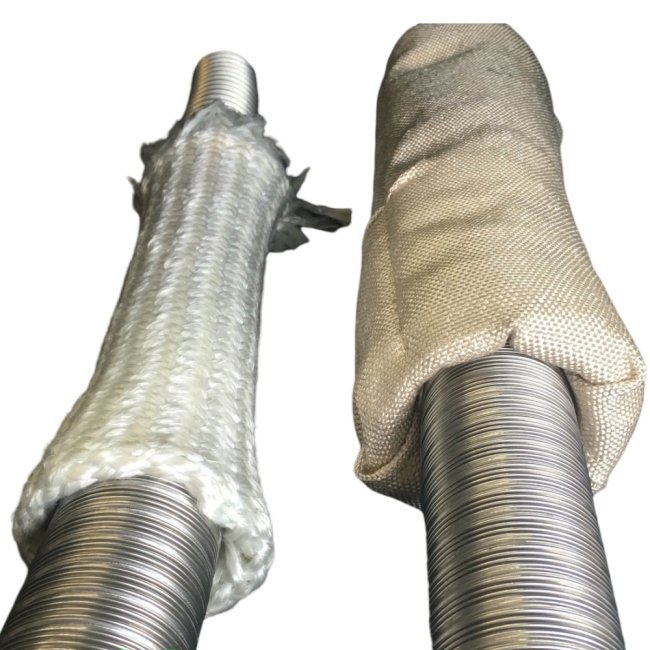
Hãy lựa chọn cấu trúc sản phẩm dựa trên khả năng tiếp cận lắp đặt, độ phức tạp của đường ống và môi trường. Các tùy chọn bên dưới đáp ứng hầu hết các nhu cầu cách nhiệt ống xả của Webasto/Eberspacher/máy sưởi đỗ xe:
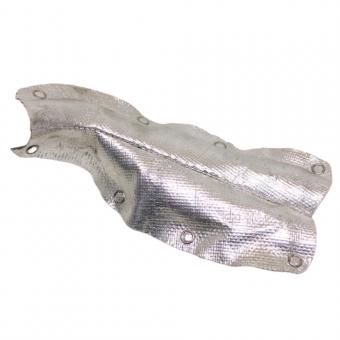
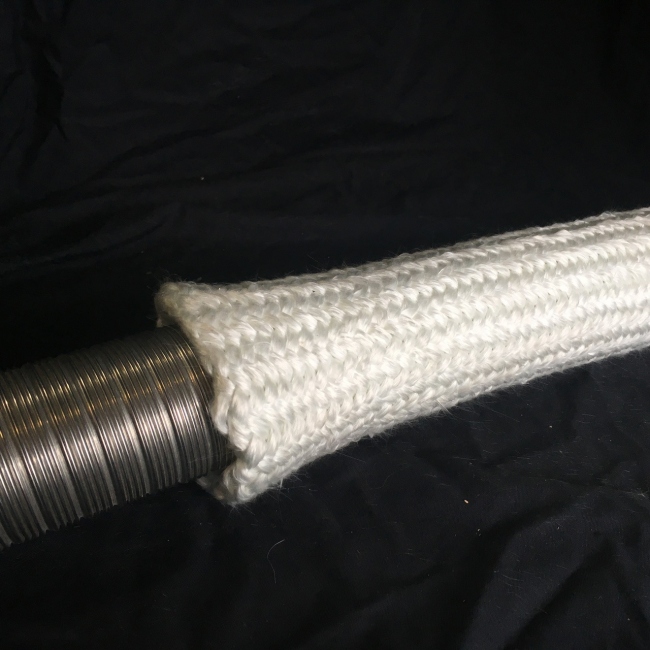
Đối với các đoạn ống thẳng hoặc dễ tiếp cận, nơi bạn có thể luồn lớp cách nhiệt qua ống xả, kiểu lắp trượt này là một lựa chọn thiết thực:
lớp cách nhiệt ống xả máy sưởi diesel
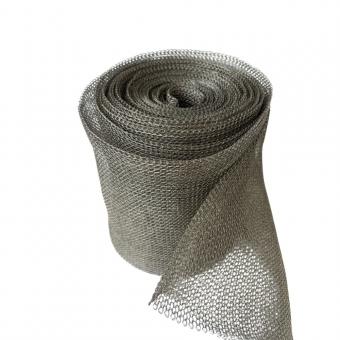
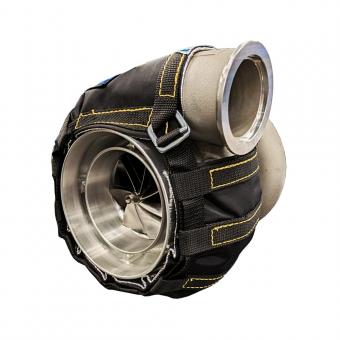
Đối với các hệ thống định tuyến phức tạp hoặc các công trình cần sự vừa vặn và giữ cố định đặc biệt, hãy cân nhắc:
ống cách nhiệt khí thải cho máy sưởi diesel
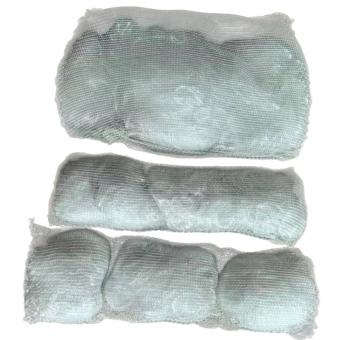
Nếu yêu cầu của bạn mang tính tổng quát hơn (ví dụ: cách nhiệt ống xả ngoài phạm vi máy sưởi diesel), hoặc bạn cần một cấu trúc dạng ống bọc bằng sợi thủy tinh chắc chắn:
ống xả cách nhiệt bằng sợi thủy tinh
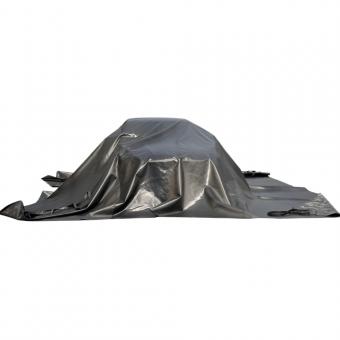
Đối với môi trường có nguy cơ mài mòn, bắn tóe hoặc thường xuyên bị chạm vào, cấu trúc được phủ lớp bảo vệ có thể cải thiện độ bền:
vỏ bọc ống xả silicon bảo vệ chịu nhiệt độ cao
Để xác nhận điều chính xác cách nhiệt ống xả của máy sưởi diesel Hãy nhanh chóng sao chép danh sách kiểm tra bên dưới vào yêu cầu của bạn. Ảnh chụp khu vực định tuyến rất được khuyến khích đối với các công trình có không gian chật hẹp.
Mục đích tương tự nhau—giảm nhiệt độ bề mặt và nhiệt bức xạ—nhưng các thiết bị sưởi diesel thường được lắp đặt trong các khoang chật hẹp hơn với giới hạn khoảng cách nghiêm ngặt hơn. Điều này làm cho việc giữ chặt, kiểm soát mài mòn và xác nhận khoảng cách trở nên quan trọng hơn.
Tấm chắn nhiệt bảo vệ các bộ phận liền kề khỏi nhiệt bức xạ, trong khi vật liệu cách nhiệt làm giảm nhiệt tại nguồn. Trong các cấu trúc chật hẹp, việc cách nhiệt đường ống thường mang lại kết quả nhất quán hơn, và có thể bổ sung thêm tấm chắn ở những nơi các bộ phận liền kề vẫn cần được bảo vệ.
Lớp cách nhiệt bị xê dịch, lỏng lẻo hoặc bị mài mòn tại các giá đỡ/kẹp dưới tác động của rung động. Cần cố định cả hai đầu, kiểm soát các điểm mài mòn và kiểm tra khe hở khi chịu tải tối đa.
Vâng. Các công trình đóng tàu thuyền và xe RV thường có các khoang kín, nơi sử dụng vật liệu cách nhiệt cho ống xả của máy sưởi diesel để giảm tiếp xúc với nhiệt. Hãy chia sẻ các hạn chế về đường đi và môi trường của bạn để chúng tôi có thể đề xuất cấu trúc phù hợp nhất.
Nếu đường ống dẫn nhiên liệu hoặc đường dây điện nằm gần ống xả của bộ phận sưởi, hãy sử dụng thiết bị bảo vệ chuyên dụng như... ống tay áo chống cháy Điều này đặc biệt quan trọng ở những điểm có khoảng cách hẹp và xung quanh các kẹp hoặc giá đỡ.
Vâng. Có rất nhiều bảng dữ liệu và tài liệu kỹ thuật PDF có sẵn tại đây. Tải xuống tài liệu kỹ thuật Nếu bạn cần bộ hồ sơ để phê duyệt (Chứng nhận năng lực sản xuất hoặc hồ sơ kiểm tra nếu có), vui lòng yêu cầu thông qua mẫu báo giá.
Hãy chia sẻ đường kính ngoài (OD), chiều dài, khoảng cách, vị trí lắp đặt (xe RV/tàu thuyền/gầm xe/khoang chứa đồ) và hình ảnh khu vực định tuyến của ống xả. Chúng tôi sẽ đề xuất cấu trúc cách nhiệt phù hợp và xác nhận lựa chọn sản phẩm tốt nhất cho việc lắp đặt của bạn.

No.10, Chuangxin North Road, Nanshan Park, Ningguo Economic and Technological Development Zone, Ningguo City, Anhui Province, China
điện thoại/Whatsapp : 0086-15856303740
e-mail : sales@bstbraidedsleeve.com
Skype : vanesa-cheng