Bạn đang tìm kiếm cái gì?
cách nhiệt khí thải Hệ thống ống xả đóng vai trò quan trọng trong các hệ thống ô tô, công nghiệp và sản xuất điện hiện đại. Vì các bộ phận của hệ thống ống xả hoạt động ở nhiệt độ cực cao, việc thất thoát nhiệt không kiểm soát có thể dẫn đến rủi ro an toàn, giảm hiệu suất và hỏng hóc thiết bị sớm. Lớp cách nhiệt ống xả hiệu quả giúp giữ nhiệt ở đúng vị trí cần thiết—bên trong hệ thống ống xả—đồng thời bảo vệ các bộ phận xung quanh và người vận hành.
Hướng dẫn này giải thích Vật liệu cách nhiệt cho ống xả là gì, tại sao nó lại quan trọng, các phương pháp cách nhiệt phổ biến nhất và các biện pháp tốt nhất. Để lựa chọn giải pháp phù hợp cho các ứng dụng khác nhau.
Cách nhiệt ống xả đề cập đến việc sử dụng vật liệu cách nhiệt chịu nhiệt độ cao Để giảm sự truyền nhiệt từ các bộ phận của hệ thống khí thải như ống xả, cổ góp, bộ tăng áp và bộ giảm âm. Các bộ phận này thường đạt đến nhiệt độ từ... 500°C và 1000°C (932°F–1832°F) trong quá trình hoạt động.
Nếu không được cách nhiệt đúng cách, nhiệt bức xạ có thể:
Gây hư hại cho thiết bị gần đó
Tạo ra nguy cơ cháy nổ.
Tăng nhiệt độ môi trường xung quanh
Giảm hiệu suất tổng thể của hệ thống.
Lớp cách nhiệt cho ống xả giải quyết những vấn đề này bằng cách chứa nhiệt giúp giảm nhiệt độ bề mặt và cải thiện khả năng kiểm soát nhiệt.
Việc giữ nhiệt bên trong hệ thống ống xả giúp cải thiện tốc độ dòng khí. Trong động cơ và tuabin, điều này dẫn đến: hiệu suất tốt hơn và tiết kiệm năng lượng hơn đặc biệt là trong các ứng dụng tăng áp.
Bề mặt ống xả không được cách nhiệt tiềm ẩn nguy cơ gây bỏng nghiêm trọng. Việc cách nhiệt đúng cách cho ống xả có thể giảm nhiệt độ bề mặt bằng cách... 50–90% , góp phần cải thiện đáng kể an toàn lao động.
Nhiệt bức xạ quá mức làm hư hỏng dây dẫn, gioăng, ống dẫn và các linh kiện điện tử. Lớp cách nhiệt bảo vệ các bộ phận nhạy cảm này và kéo dài tuổi thọ thiết bị.
Trong môi trường công nghiệp và hàng hải, nhiệt thải không được kiểm soát có thể gây cháy các vật liệu dễ bắt lửa. Vật liệu cách nhiệt đóng vai trò vô cùng quan trọng. rào cản phòng cháy .
Có nhiều phương pháp được sử dụng để cách nhiệt hệ thống ống xả. Mỗi phương pháp đều có những ưu điểm và hạn chế riêng.
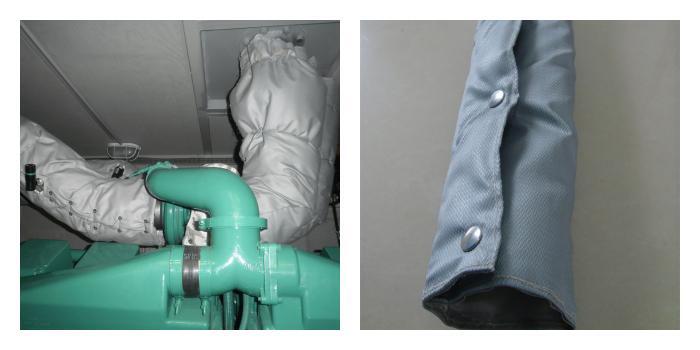
MỘT tấm cách nhiệt ống xả Đây là một lớp vỏ cách nhiệt nhiều lớp có thể tháo rời, được thiết kế để bao bọc các bộ phận ống xả. Nó cung cấp:
Hiệu suất cách nhiệt cao
Dễ dàng lắp đặt và tháo gỡ
Hiệu năng tuyệt vời trong điều kiện nhiệt độ khắc nghiệt

No.10, Chuangxin North Road, Nanshan Park, Ningguo Economic and Technological Development Zone, Ningguo City, Anhui Province, China
điện thoại/Whatsapp : 0086-15856303740
e-mail : sales@bstbraidedsleeve.com
Skype : vanesa-cheng