Bạn đang tìm kiếm cái gì?
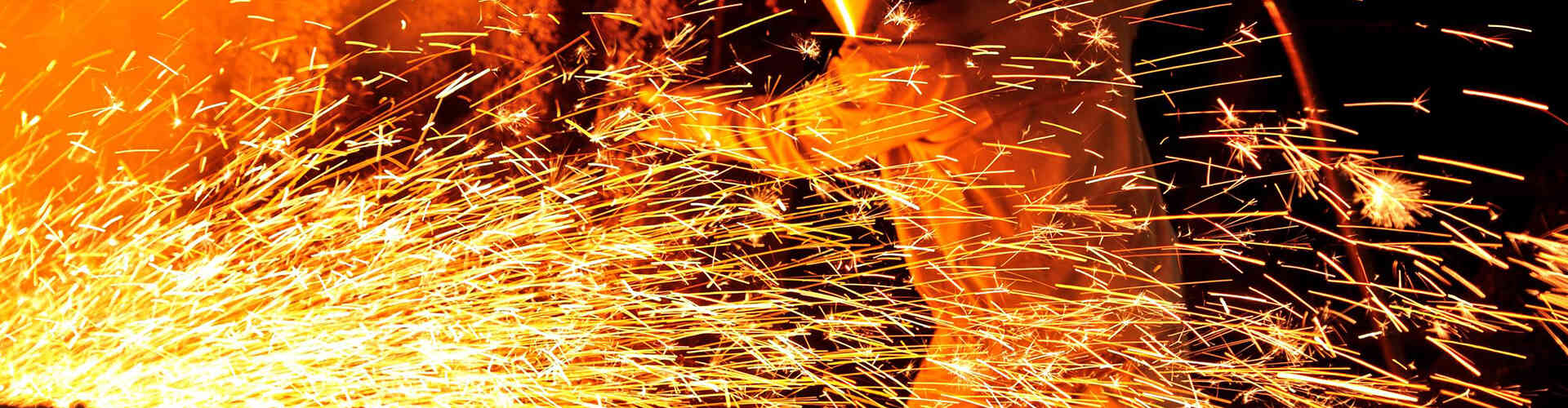
Ống xả turbo (downpipe) là một trong những bộ phận nóng nhất trong hệ thống xả tăng áp. Nằm ngay sau cửa xả của bộ tăng áp, ống xả này truyền một lượng nhiệt năng đáng kể qua khoang động cơ và có thể ảnh hưởng đến hệ thống dây điện, ống dẫn, cảm biến, các bộ phận nạp khí và các cấu trúc xung quanh.
Một sản phẩm được lựa chọn phù hợpbăng quấn cách nhiệt ống xả turbogiúp giảm tiếp xúc với nhiệt bức xạ và cải thiện khả năng quản lý nhiệt xung quanh các bộ phận xả có nhiệt độ cao.
Tuy nhiên, việc chọn vật liệu quấn ống xả chính xác đòi hỏi nhiều hơn là chỉ chọn con số nhiệt độ cao nhất. Cần xem xét nhiệt độ vận hành thực tế, thiết kế đường ống, môi trường lắp đặt và các yêu cầu bảo trì.
BSTFLEX sản xuấtBăng quấn cách nhiệt ống xả và cổ gópcho các ứng dụng bảo vệ nhiệt ống xả trong ngành ô tô, đua xe, xe máy, động cơ diesel và công nghiệp.
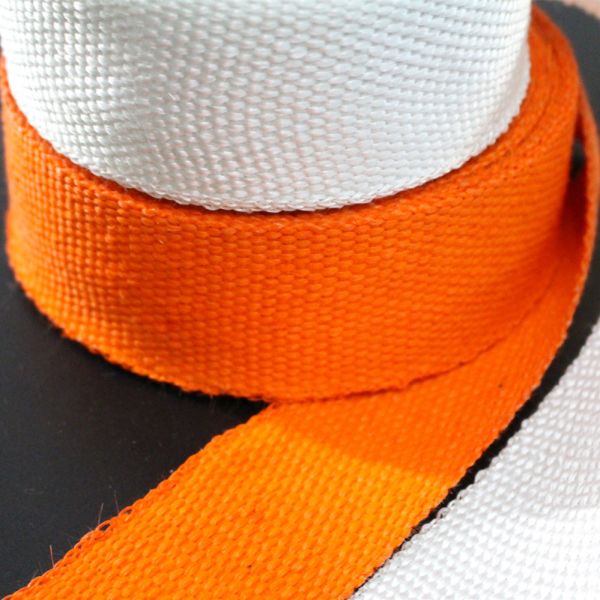
Hệ thống xả tăng áp tạo ra nhiệt lượng tập trung xung quanh:
cửa xả turbo;
ống xả (downpipe);
cổ góp xả;
đường ống phía nóng;
các khu vực bộ chuyển đổi xúc tác.
Nhiệt lượng này có thể ảnh hưởng đến các bộ phận gần đó bao gồm:
bộ dây điện;
ống cao su;
đường ống phanh;
các bộ phận bằng nhựa;
hệ thống nạp khí;
vật liệu cách nhiệt khoang động cơ.
Không giống như ống xả truyền thống nằm xa hơn các bộ phận nhạy cảm, ống xả turbo thường được lắp đặt trong không gian rất hạn chế.
Vì lý do này, nhiều ứng dụng hiệu suất cao và OEM sử dụngbăng quấn cách nhiệt ống xảđể kiểm soát sự truyền nhiệt.
Mục đích của băng quấn ống xả là quản lý nhiệt. Nó không được thiết kế để sửa chữa các vết nứt, rò rỉ hoặc các bộ phận bị hư hỏng của hệ thống xả.
Các hệ thống xả khác nhau yêu cầu các vật liệu cách nhiệt khác nhau.
Các tùy chọn phổ biến nhất bao gồm:
Băng quấn ống xả sợi thủy tinh
Băng quấn ống xả Titanium
Băng quấn ống xả Silica
Mỗi vật liệu có những đặc tính khác nhau.
Một phương pháp lựa chọn đơn giản hóa:
Băng quấn ống xả sợi thủy tinh
Phù hợp cho cách nhiệt ống xả thông thường nơi yêu cầu nhiệt độ ở mức trung bình.
Băng quấn ống xả Titanium
Phù hợp cho các hệ thống xả hiệu suất cao yêu cầu khả năng chịu nhiệt độ cao hơn và độ bền tuyệt vời.
Băng quấn ống xả Silica
Được thiết kế cho các ứng dụng ống xả nhiệt độ cực cao, nơi yêu cầu khả năng bảo vệ nhiệt bổ sung.
Luôn nên chọn vật liệu phù hợp dựa trên môi trường ống xả thực tế.
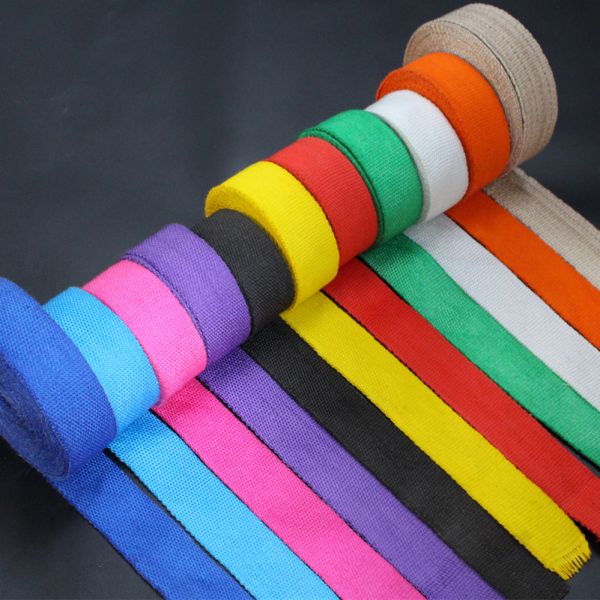
Băng quấn ống xả sợi thủy tinh được sử dụng rộng rãi vì nó mang lại sự cân bằng thiết thực giữa hiệu suất nhiệt, độ linh hoạt và chi phí.
Nó có thể phù hợp cho ống xả turbo khi:
nhiệt độ ống xả nằm trong khả năng chịu đựng của vật liệu;
xe chủ yếu được sử dụng để lái xe trên đường phố;
khoang động cơ có đủ khoảng trống nhiệt;
không dự kiến các điều kiện đua xe khắc nghiệt.
Băng quấn sợi thủy tinh dễ dàng lắp đặt xung quanh:
các đoạn ống xả thẳng;
ống xả lớn hơn;
các đoạn uốn cong vừa phải.
BSTFLEX cung cấp Băng quấn ống xả sợi thủy tinh cho các ứng dụng ống xả ô tô và công nghiệp.
Đối với các ứng dụng turbo tiêu chuẩn, sợi thủy tinh có thể mang lại hiệu quả giảm nhiệt mà không cần nâng cấp vật liệu không cần thiết.
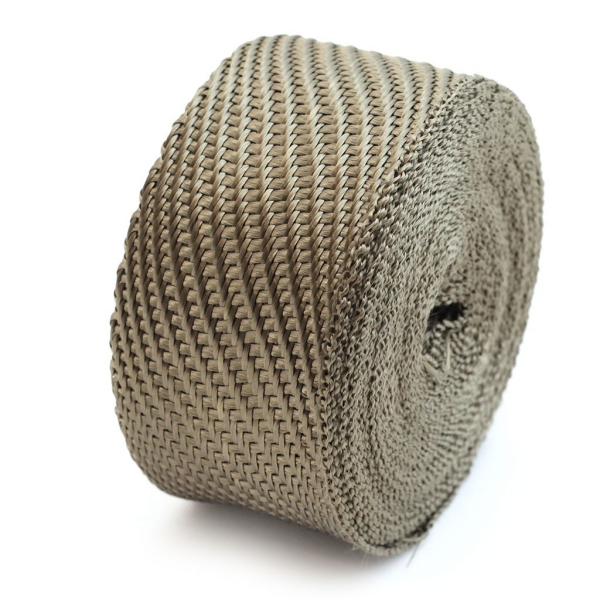
Băng quấn ống xả Titanium thường được chọn cho các hệ thống ống xả hiệu suất cao.
Nó được sử dụng rộng rãi trên:
ống xả turbo;
cổ góp ống xả;
xe hiệu suất cao;
hệ thống ống xả đua;
hệ thống ống xả xe máy.
So với băng quấn sợi thủy tinh tiêu chuẩn, băng quấn ống xả titanium thường được chọn khi người mua yêu cầu:
khả năng chịu nhiệt cao hơn;
hiệu suất chu kỳ nhiệt tuyệt vời;
cấu trúc dệt bền bỉ;
ngoại hình cao cấp.
BSTFLEX sản xuất Băng quấn ống xả Titanium đen cho các ứng dụng yêu cầu cách nhiệt ống xả nhiệt độ cao.
Các ứng dụng điển hình bao gồm:
ống xả turbo;
cổ góp ống xả;
cổ góp;
các thành phần ống xả phía nóng.
Một số hệ thống tăng áp hoạt động dưới tải nhiệt cực cao.
Các ví dụ bao gồm:
động cơ đua;
các ứng dụng tăng áp suất cao;
xe đua đường trường;
động cơ diesel hạng nặng;
hệ thống tăng áp công nghiệp.
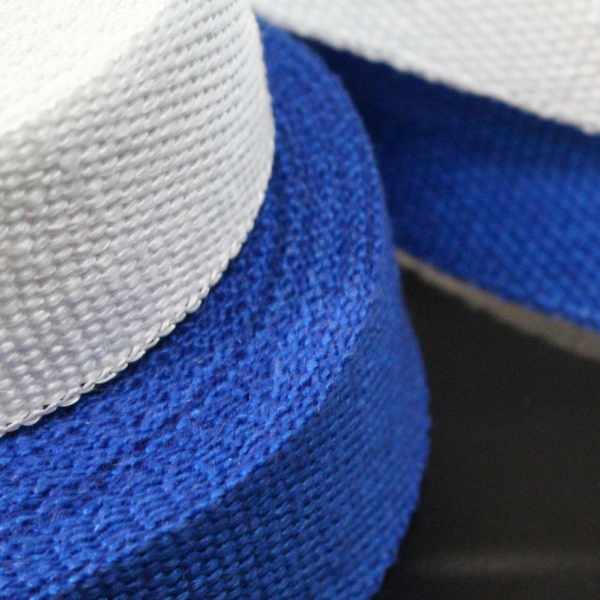
Đối với những môi trường này, băng quấn ống xả silica cung cấp một tùy chọn bảo vệ nhiệt độ cao hơn.
Băng quấn silica thường được chọn cho:
cổ góp tăng áp;
ống xả xuống nhiệt độ cực cao;
hệ thống xả có khoảng trống hạn chế;
các ứng dụng yêu cầu biên độ nhiệt bổ sung.
BSTFLEX sản xuất High Temperature Inferno Header Exhaust Heat Wrap cho các môi trường xả nhiệt độ cao.
| Vật liệu | Ứng dụng điển hình | Ưu điểm chính |
|---|---|---|
| Băng quấn ống xả sợi thủy tinh | Hệ thống tăng áp và ống xả thông thường | Bảo vệ nhiệt hiệu quả về chi phí |
| Băng quấn ống xả Titanium | Ống xả xuống và cổ góp hiệu suất cao | Khả năng chịu nhiệt và độ bền cao hơn |
| Băng quấn ống xả Silica | Các ứng dụng nhiệt độ cực cao | Bảo vệ nhiệt tối đa |
Vật liệu tốt nhất phụ thuộc vào:
nhiệt độ khí xả;
không gian lắp đặt;
mục đích sử dụng xe;
tuổi thọ dịch vụ yêu cầu;
yêu cầu bảo trì.
Xếp hạng nhiệt độ cao hơn không phải lúc nào cũng là lựa chọn tốt nhất nếu ứng dụng không yêu cầu điều đó.
Ống xả turbo thường có hình dạng hình học phức tạp.
Trước khi lắp đặt, hãy cân nhắc:
Các ống lớn hơn đòi hỏi nhiều vật liệu quấn hơn vì chu vi lớn hơn.
Các ống xả dài hơn đòi hỏi các cuộn dài hơn.
Các đoạn uốn cong tiêu tốn nhiều vật liệu hơn các đoạn thẳng.
Kiểm tra khoảng cách giữa ống đã quấn và:
hệ thống dây điện;
ống dẫn;
cảm biến;
tấm thân xe;
các bộ phận chuyển động.
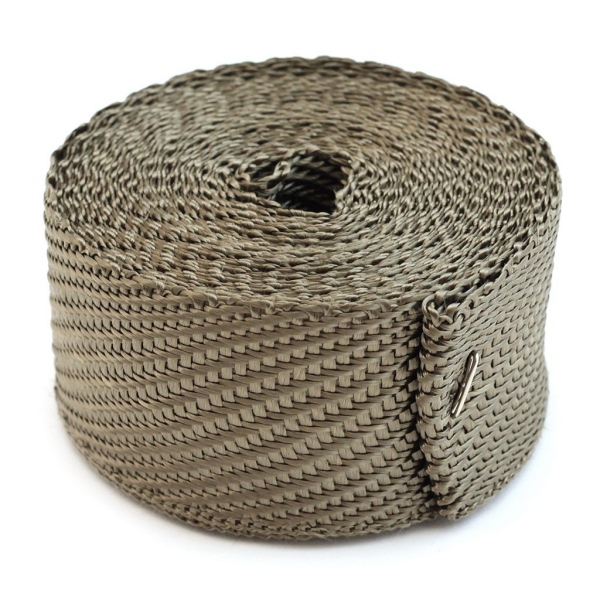
Các ứng dụng nhiệt độ cao thường yêu cầu cố định chắc chắn bằng cách sử dụng dây buộc hoặc kẹp kim loại phù hợp.
BSTFLEX có thể cung cấp băng quấn ống xả cùng với các phụ kiện cố định phù hợp cho các yêu cầu của OEM và nhà phân phối.
Chiều rộng băng quấn ảnh hưởng đến cả việc lắp đặt và mức tiêu thụ vật liệu.
Được khuyến nghị cho:
các đoạn uốn cong hẹp;
hệ thống ống turbo phức tạp;
ống có đường kính nhỏ hơn;
không gian lắp đặt hạn chế.
Ưu điểm:
định vị dễ dàng hơn;
độ linh hoạt tốt hơn xung quanh các đường cong.
Được khuyến nghị cho:
các ống xả lớn hơn;
các đoạn ống thẳng;
lắp đặt nhanh hơn.
Ưu điểm:
ít vòng xoắn hơn;
bao phủ nhanh hơn.
Chiều rộng chính xác phụ thuộc vào hình dạng hình học thực tế của ống xả.
Số lượng cần thiết phụ thuộc vào:
đường kính ngoài của ống;
chiều dài ống;
chiều rộng cuộn quấn;
độ quấn chồng;
số lượng đoạn uốn.
Một ống thẳng cần ít vật liệu hơn so với ống xả turbo downpipe phức tạp có nhiều đoạn uốn cong.
Để biết hướng dẫn tính toán, xem:
Đối với các dự án OEM, BSTFLEX có thể tính toán nhu cầu vật liệu ước tính dựa trên:
bản vẽ;
kích thước ống;
mẫu vật phẩm;
sản lượng sản xuất hàng năm.
Bọc quấn ống xả turbo downpipe và bao cách nhiệt turbo bảo vệ các khu vực khác nhau.
Bao cách nhiệt turbo được lắp quanh vỏ bộ tăng áp.
Bọc cách nhiệt downpipe được lắp quanh ống xả phía sau turbo.
Trong một số ứng dụng hiệu suất cao, cả hai giải pháp có thể được sử dụng kết hợp:
bao cách nhiệt turbo để giữ nhiệt cho vỏ turbine;
bọc cách nhiệt ống xả cho phần ống phía sau.
Sự kết hợp chính xác phụ thuộc vào bố trí nhiệt của hệ thống động cơ.
Bọc cách nhiệt ống xả và tấm chắn nhiệt bằng kim loại giải quyết các vấn đề về nhiệt theo những cách khác nhau.
Ưu điểm:
ôm theo các hình dạng ống phức tạp;
yêu cầu không gian lắp đặt hạn chế;
cung cấp khả năng cách nhiệt trực tiếp xung quanh ống.
Ưu điểm:
tạo khoảng hở không khí;
cản bức xạ nhiệt định hướng;
cho phép kiểm tra và tháo rời dễ dàng hơn.
Một số ứng dụng có thể yêu cầu sự kết hợp của:
bọc cách nhiệt ống xả;
tấm chắn nhiệt phản xạ;
bao cách nhiệt có thể tháo rời.
Không.
Giải pháp nhiệt chính xác phụ thuộc vào:
nhiệt độ khí xả;
vật liệu ống;
các linh kiện xung quanh;
cách sử dụng xe;
yêu cầu bảo trì.
Một chiếc xe đường phố có khoảng sáng gầm xe đủ lớn có thể không yêu cầu mức độ cách nhiệt giống như xe đua hoặc động cơ công nghiệp.
Mục tiêu là quản lý nhiệt có kiểm soát, không phải độ dày cách nhiệt tối đa.
BSTFLEX cung cấp các sản phẩm cách nhiệt ống xả chịu nhiệt độ cao cho:
các nhà sản xuất ô tô;
các nhà cung cấp thiết bị đua xe;
các thương hiệu xe máy;
các nhà sản xuất thiết bị diesel;
các công ty thiết bị công nghiệp;
các nhà phân phối sản phẩm bảo vệ nhiệt.
Các tùy chọn có sẵn bao gồm:
băng quấn ống xả sợi thủy tinh;
băng quấn ống xả titan;
băng quấn ống xả silica;
chiều rộng tùy chỉnh;
chiều dài cuộn tùy chỉnh;
cuộn số lượng lớn;
đóng gói nhãn riêng;
cung cấp OEM.
Khách hàng có thể cung cấp:
bản vẽ ống xả;
kích thước ống;
yêu cầu về nhiệt độ;
điều kiện ứng dụng.
BSTFLEX có thể đề xuất cấu trúc băng quấn ống xả phù hợp cho môi trường nhiệt cụ thể.
Khám phá trọn bộ dòng sản phẩm băng quấn nhiệt ống xả và cổ góp BSTFLEX.
Vật liệu tốt nhất phụ thuộc vào nhiệt độ vận hành và yêu cầu ứng dụng. Sợi thủy tinh phù hợp cho nhiều ứng dụng thông thường, băng quấn ống xả titan thường được sử dụng cho các hệ thống hiệu suất cao, và băng quấn ống xả silica được chọn cho các mức nhiệt độ khắc nghiệt.
Có, khi nhiệt độ vận hành vẫn nằm trong khả năng chịu đựng của vật liệu sợi thủy tinh.
Có. Băng quấn ống xả titan được sử dụng rộng rãi cho ống xả turbo, cổ góp và các hệ thống ống xả hiệu suất cao.
Nên cân nhắc sử dụng băng quấn ống xả silica khi hệ thống ống xả phải chịu nhiệt độ cực cao hoặc cần thêm khả năng bảo vệ nhiệt.
Không nhất thiết. Độ bao phủ cần thiết phụ thuộc vào các khu vực nhạy cảm với nhiệt, sự phân bổ nhiệt độ và yêu cầu sử dụng.
Băng quấn rộng một inch hữu ích cho các khúc cua phức tạp, trong khi băng quấn rộng hai inch thường được chọn cho các ống xả xuống lớn hơn và thẳng hơn.
Có. BSTFLEX hỗ trợ các yêu cầu về chiều rộng, chiều dài cuộn, đóng gói và cung cấp OEM theo yêu cầu.

No.10, Chuangxin North Road, Nanshan Park, Ningguo Economic and Technological Development Zone, Ningguo City, Anhui Province, China
điện thoại/Whatsapp : 0086-15856303740
e-mail : sales@bstbraidedsleeve.com
Skype : vanesa-cheng