Bạn đang tìm kiếm cái gì?
Việc lựa chọn vật liệu nhồi bông giảm thanh phù hợp không chỉ liên quan đến việc giảm tiếng ồn khí xả. Nó ảnh hưởng trực tiếp đến chất lượng âm thanh, tuổi thọ vật liệu nhồi, khả năng chịu nhiệt, độ ổn định của dòng khí xả, tần suất bảo trì và trải nghiệm người dùng cuối của bộ giảm thanh xe máy, ống xả ATV, bộ giảm âm UTV, hệ thống ống xả hiệu suất cao hoặc cụm bộ giảm thanh OEM. Hai trong số các vật liệu phổ biến nhất được sử dụng để thay thế vật liệu nhồi trong bộ giảm thanh là vật liệu nhồi sợi thủy tinh và vật liệu nhồi bông thép không gỉ. Cả hai đều có thể được sử dụng bên trong bộ giảm thanh, nhưng chúng không thực hiện cùng một chức năng trong mọi thiết kế.
Vật liệu nhồi sợi thủy tinh chủ yếu được lựa chọn để hấp thụ âm thanh và cách nhiệt. Vật liệu nhồi bông thép không gỉ thường được lựa chọn để hỗ trợ cơ học, bảo vệ ở nhiệt độ cao và giữ vật liệu nhồi gần lõi đục lỗ. Trong nhiều thiết kế ống xả chuyên nghiệp, hai vật liệu này không được xem là sản phẩm thay thế trực tiếp. Thay vào đó, chúng thường được sử dụng cùng nhau như một cấu trúc nhồi ống xả nhiều lớp.
Đối với người mua cần vật liệu thay thế nhồi ống xả số lượng lớn, bộ dụng cụ thay thế nhồi bộ giảm thanh nhãn hiệu riêng hoặc vật liệu nhồi bộ giảm âm OEM tùy chỉnh, việc hiểu sự khác biệt giữa sợi thủy tinh và bông thép không gỉ là rất quan trọng. Lựa chọn sai vật liệu có thể dẫn đến tiếng ồn quá mức, vật liệu nhồi bị thổi bay sớm, âm thanh không ổn định, chi phí bảo trì cao hơn và khiếu nại của khách hàng sau khi lắp đặt.
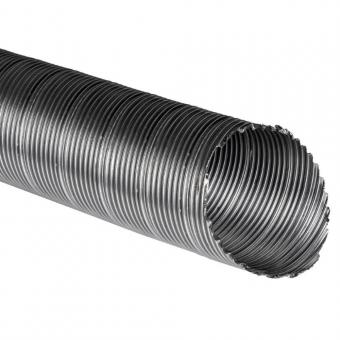
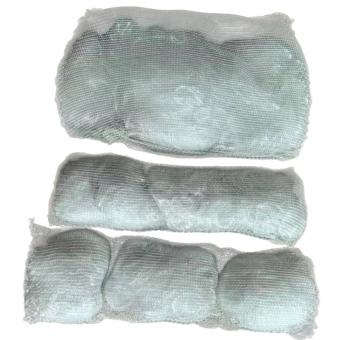
BSTFLEX cung cấp các giải pháp cách nhiệt ống xả và vật liệu nhồi bộ giảm thanh cho các ứng dụng ô tô, xe máy, ATV, UTV, hàng hải và công nghiệp. Bạn có thể xem các vật liệu liên quan trong danh mục Vật liệu nhồi bộ giảm thanh, bao gồm các cấu trúc nhồi sợi thủy tinh lắp đặt sẵn như Ống bọc nhồi sợi thủy tinh cho bộ giảm thanh với túi lưới thủy tinh dệt.
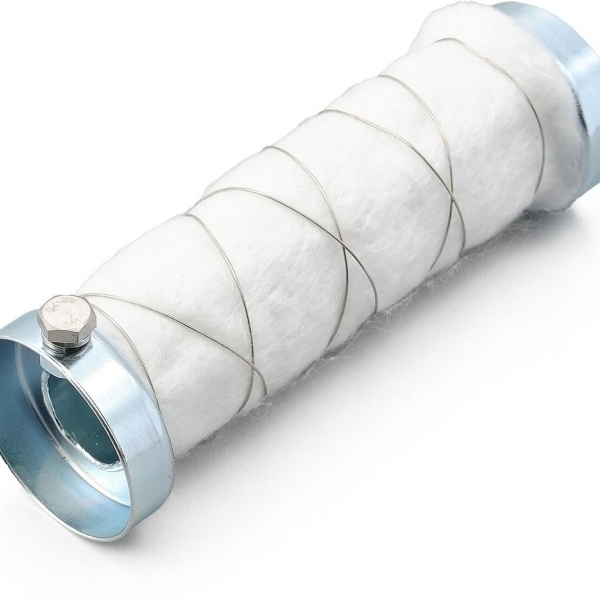
Vật liệu nhồi sợi thủy tinh cho bộ giảm thanh là vật liệu sợi thủy tinh chịu nhiệt được lắp đặt bên trong bộ giảm âm ống xả, thường bao quanh lõi đục lỗ. Khi các xung khí xả và sóng âm đi qua ống đục lỗ, lớp sợi sẽ hấp thụ một phần năng lượng âm thanh và giúp giảm mức tiếng ồn khí xả. Sợi thủy tinh được sử dụng rộng rãi vì mang lại sự cân bằng thực tế giữa khả năng hấp thụ âm thanh, chịu nhiệt, hiệu quả chi phí và dễ xử lý.
Trong các bộ giảm thanh xe máy tiêu chuẩn và bộ giảm âm ống xả sau thị trường, sợi thủy tinh thường được sử dụng làm lớp vật liệu nhồi âm thanh chính. Nó có thể được cung cấp dưới dạng sợi rời, tấm, cuộn, túi, ống bọc hoặc cấu trúc nhồi định hình sẵn. So với sợi rời, cấu trúc chứa như ống bọc nhồi bộ giảm thanh giúp việc lắp đặt sạch sẽ và đồng nhất hơn. Túi lưới dệt giữ các sợi thủy tinh bên trong liên kết với nhau, giúp người lắp đặt định vị vật liệu nhồi đều quanh lõi.
Sợi thủy tinh đặc biệt phù hợp khi yêu cầu chính là kiểm soát tiếng ồn. Nó có cấu trúc dạng sợi giúp giảm âm thanh ống xả chói và làm dịu âm sắc của bộ giảm âm. Nó cũng nhẹ hơn và dễ nén hơn so với vật liệu nhồi kim loại, giúp thuận tiện cho các bộ dụng cụ thay thế nhồi và sản xuất OEM.
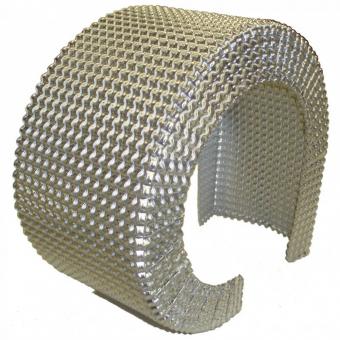
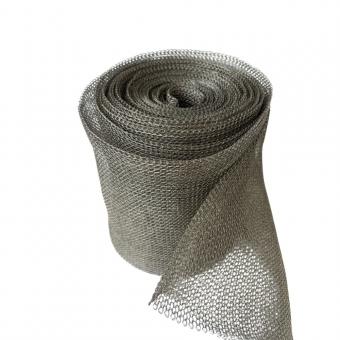
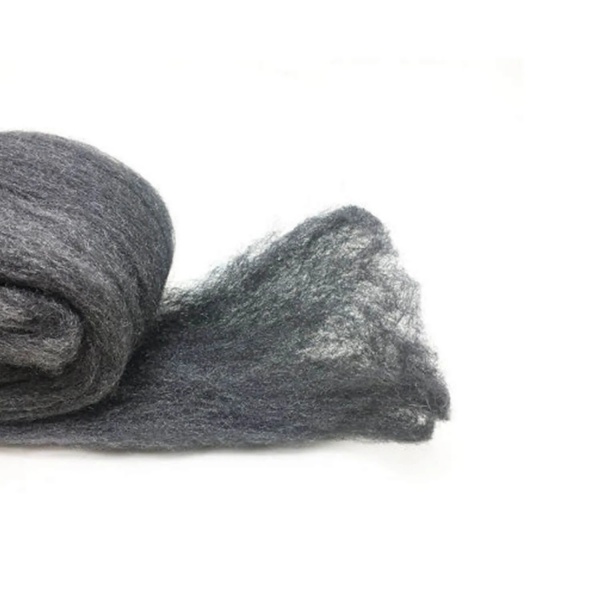
Vật liệu nhồi bông thép không gỉ cho bộ giảm thanh là vật liệu bông kim loại được sử dụng bên trong hệ thống ống xả khi cần độ bền cơ học cao hơn, khả năng chịu nhiệt và độ ổn định kết cấu. Nó có thể được sử dụng làm vật liệu nhồi, nhưng trong nhiều kết cấu bộ giảm thanh chuyên nghiệp, nó thường được dùng làm lớp bảo vệ gần lõi đục lỗ hơn.
Khu vực ngay quanh ống đục lỗ chịu tác động của các xung khí xả mạnh nhất, vận tốc khí cao nhất và ảnh hưởng nhiệt khắc nghiệt nhất. Nếu sợi thủy tinh được đặt trực tiếp tiếp xúc với lõi trong hệ thống ống xả công suất cao, sợi có thể bị bào mòn, dịch chuyển hoặc bị thổi ra nhanh hơn. Một lớp bông thép không gỉ có thể hoạt động như hàng rào bảo vệ giữa dòng khí nóng và lớp sợi thủy tinh hấp thụ âm thanh chính.
Đây là lý do bông thép không gỉ thường được sử dụng trong bộ giảm thanh đua, hệ thống ống xả lưu lượng cao, động cơ tăng áp, bộ phận ống xả diesel và bộ giảm âm hạng nặng. Nó không mang lại khả năng hấp thụ âm thanh mềm mại giống như sợi thủy tinh, nhưng giúp bảo vệ hệ thống vật liệu nhồi khỏi sốc nhiệt, rung động và sự bào mòn do khí.
Sự khác biệt chính nằm ở chức năng của chúng bên trong bộ giảm thanh. Sợi thủy tinh chủ yếu là vật liệu hấp thụ âm thanh. Bông thép không gỉ chủ yếu là vật liệu gia cường và giữ vật liệu nhồi ở nhiệt độ cao. Sợi thủy tinh giúp giảm tiếng ồn. Bông thép không gỉ giúp bảo vệ cấu trúc vật liệu nhồi.
| Điểm so sánh | Vật liệu nhồi sợi thủy tinh cho bộ giảm thanh | Vật liệu nhồi bông thép không gỉ cho bộ giảm thanh |
|---|---|---|
| Chức năng chính | Hấp thụ âm thanh và cách nhiệt | Bảo vệ lõi và giữ vật liệu nhồi |
| Giảm tiếng ồn | Khả năng hấp thụ âm thanh mạnh | Khả năng hấp thụ âm thanh vừa phải |
| Khả năng chịu nhiệt | Tốt cho nhiều ứng dụng ống xả | Xuất sắc gần các khu vực lõi nhiệt độ cao |
| Độ bền | Phụ thuộc vào nhiệt độ, mật độ và dòng khí | Độ bền cơ học cao |
| Lắp đặt | Dễ dàng, đặc biệt ở dạng ống bọc hoặc túi | Yêu cầu quấn và xử lý có kiểm soát |
| Sử dụng tốt nhất | Lớp vật liệu nhồi chính của bộ giảm thanh | Lớp đầu tiên quanh lõi đục lỗ |
| Ứng dụng điển hình | Xe mô tô, ATV, UTV, bộ giảm thanh OEM | Ống xả đua, bộ giảm âm lưu lượng cao, vùng nhiệt độ khắc nghiệt |
Nếu mục tiêu chính là giảm tiếng ồn khí xả, sợi thủy tinh thường là lựa chọn tốt hơn. Mạng lưới sợi của nó tạo ra một lớp hấp thụ xốp giúp chuyển đổi một phần năng lượng âm thanh thành nhiệt thông qua ma sát bên trong cấu trúc sợi. Đây là lý do vật liệu nhồi bộ giảm thanh bằng sợi thủy tinh được sử dụng rộng rãi trong việc đóng gói lại ống xả xe mô tô, sản xuất bộ giảm thanh khí xả và bảo dưỡng bộ giảm âm hậu mãi.
Bông thép không gỉ có thể giảm một phần tiếng ồn, nhưng thường không được chọn làm vật liệu âm học duy nhất khi yêu cầu hiệu suất vận hành êm ái. Bông kim loại kém hiệu quả hơn trong việc hấp thụ dải tần số âm thanh rộng so với sợi thủy tinh. Nếu bộ giảm thanh chỉ được nhồi bằng bông thép không gỉ, tiếng xả có thể vẫn lớn và sắc hơn dự kiến.
Để kiểm soát âm thanh cân bằng, cấu trúc kết hợp thường được ưu tiên. Bông thép không gỉ được quấn quanh lõi đục lỗ trước, sau đó lớp nhồi sợi thủy tinh được lắp đặt làm lớp hấp thụ bên ngoài chính. Cấu trúc này giúp duy trì hiệu suất âm học đồng thời cải thiện khả năng chống bung vật liệu nhồi.
Nhiệt là một trong những nguyên nhân chính khiến vật liệu nhồi bộ giảm thanh bị hỏng. Trong hệ thống ống xả tiêu chuẩn, sợi thủy tinh có thể hoạt động tốt khi điều kiện vận hành nằm trong phạm vi phù hợp. Tuy nhiên, nếu bộ giảm thanh được sử dụng trong đua xe, vận hành ở vòng tua cao, động cơ tăng áp hoặc bộ giảm thanh nhỏ gọn lưu lượng cao, vật liệu nhồi có thể phải chịu ứng suất nhiệt và tác động khí xả mạnh hơn.
Bông thép không gỉ hoạt động tốt hơn trong các vùng nhiệt cao trực tiếp vì nó không bị cháy mất như vật liệu hữu cơ và có độ nguyên vẹn cơ học cao hơn sợi rời. Điều này khiến nó hữu ích như một lớp chắn đầu tiên gần lõi đục lỗ. Nó giúp giảm tác động trực tiếp của ngọn lửa, sự xói mòn do dòng khí tốc độ cao và sự dịch chuyển cục bộ của sợi.
Đối với các ứng dụng khắc nghiệt, không nên xem bông thép không gỉ chỉ là vật liệu thay thế cho sợi thủy tinh. Nó nên được xem là một lớp kỹ thuật bảo vệ giúp kéo dài tuổi thọ sử dụng của toàn bộ hệ thống vật liệu nhồi bộ giảm thanh.
Hiện tượng bung vật liệu nhồi bộ giảm thanh xảy ra khi vật liệu sợi dần bị dịch chuyển và đẩy ra ngoài bởi dòng khí xả. Điều này có thể xảy ra nhanh hơn khi vật liệu nhồi quá lỏng, được lắp đặt không đồng đều, chịu rung động quá mức hoặc đặt trực tiếp trước các xung khí xả mạnh. Khi vật liệu nhồi bắt đầu dịch chuyển, tiếng xả trở nên lớn hơn và phần vật liệu còn lại bị phân hủy nhanh hơn.
Chỉ riêng sợi thủy tinh có thể hoạt động tốt trong nhiều ứng dụng tiêu chuẩn, nhưng có thể cần thêm sự hỗ trợ trong các hệ thống lưu lượng cao hoặc rung động mạnh. Bông thép không gỉ cải thiện khả năng chống bung bằng cách tạo ra một lớp ổn định hơn quanh lõi đục lỗ. Nó giúp giữ lớp sợi thủy tinh tránh xa vùng chịu tác động khí mạnh nhất.
Đối với xe mô tô, bộ giảm thanh đua, ống xả ATV và bộ giảm thanh OEM có không gian bên trong hạn chế, cấu trúc sợi thủy tinh được bao bọc cũng có thể cải thiện khả năng giữ vật liệu. Một sản phẩm như Túi nhồi bộ giảm thanh bằng sợi thủy tinh với túi lưới sợi thủy tinh dệt giúp giữ phần vật liệu sợi liên kết với nhau trong quá trình lắp đặt và bảo dưỡng, giảm sự dịch chuyển của sợi rời so với vật liệu nhồi rời truyền thống.
Chất lượng lắp đặt ảnh hưởng trực tiếp đến hiệu suất của vật liệu nhồi bộ giảm thanh. Sợi thủy tinh dễ xử lý, cắt, quấn và nén hơn. Đối với nhà phân phối và cửa hàng sửa chữa, vật liệu nhồi bộ giảm thanh bằng sợi thủy tinh rất tiện dụng vì có thể được đóng thành bộ sản phẩm và lắp đặt mà không cần thiết bị phức tạp.
Tuy nhiên, sợi thủy tinh rời có thể bị phân tán trong quá trình xử lý. Nó cũng có thể khó duy trì mật độ đồng đều bên trong thân bộ giảm thanh nhỏ gọn. Đây là lúc các dạng vật liệu nhồi được bao bọc sẵn trở nên hữu ích. Túi nhồi bộ giảm thanh và túi lưới giúp cải thiện tính đồng nhất, giảm hao hụt sợi và hỗ trợ lắp ráp nhanh hơn.
Bông thép không gỉ cần được xử lý cẩn thận hơn. Nó phải được quấn đều quanh lõi mà không có khoảng trống lớn hoặc chồng lớp quá mức. Nếu quấn quá lỏng, nó có thể không bảo vệ hiệu quả lớp sợi thủy tinh. Nếu quấn quá chặt, nó có thể ảnh hưởng đến sự phân bố vật liệu nhồi bên trong và hiệu quả lắp đặt. Trong sản xuất, nhiều người mua OEM thích các lớp kim loại được cắt sẵn hoặc có kích thước kiểm soát để cải thiện tính lặp lại.
Bông thép không gỉ nhìn chung có độ bền cơ học tốt hơn sợi thủy tinh khi tiếp xúc với dòng khí nhiệt độ cao trực tiếp. Nó chống xói mòn và sụp đổ cấu trúc tốt hơn gần ống đục lỗ. Tuy nhiên, điều này không phải lúc nào cũng có nghĩa bông thép không gỉ đơn lẻ là giải pháp vật liệu nhồi bộ giảm thanh hoàn chỉnh tốt nhất.
Sợi thủy tinh mang lại khả năng hấp thụ âm thanh tốt hơn, trong khi bông thép không gỉ mang lại khả năng bảo vệ tốt hơn. Bộ giảm thanh chỉ nhồi bằng bông thép không gỉ có thể bền hơn về mặt vật lý, nhưng có thể không tạo ra mức giảm âm như mong đợi. Bộ giảm thanh chỉ nhồi bằng sợi thủy tinh có thể cho âm thanh tốt hơn lúc đầu, nhưng có thể hỏng nhanh hơn trong điều kiện khí xả khắc nghiệt.
Tuổi thọ sử dụng tốt nhất thường đến từ việc kết hợp vật liệu đúng cách. Trong các hệ thống ống xả hiệu suất cao, cấu trúc được khuyến nghị thường là bông thép không gỉ hoặc lưới thép không gỉ làm lớp bảo vệ bên trong, với vật liệu nhồi bộ giảm thanh bằng sợi thủy tinh làm lớp hấp thụ âm thanh chính.
| Ứng dụng | Cấu trúc vật liệu nhồi được khuyến nghị | Lý do |
|---|---|---|
| Bộ giảm thanh xe mô tô tiêu chuẩn | Vật liệu nhồi bộ giảm thanh bằng sợi thủy tinh hoặc túi nhồi sợi thủy tinh | Hấp thụ âm thanh tốt và dễ đóng gói lại |
| Ống xả xe mô tô hiệu suất cao | Lớp bông thép không gỉ bên trong kết hợp với lớp sợi thủy tinh bên ngoài | Khả năng chống xói mòn do khí và dịch chuyển vật liệu nhồi tốt hơn |
| Bộ giảm thanh ống xả đua | Lớp quấn lõi kim loại kết hợp với vật liệu nhồi sợi thủy tinh mật độ cao | Cải thiện độ bền dưới tác động của các xung khí xả mạnh |
| Ống xả ATV và UTV | Túi nhồi bộ giảm thanh bằng sợi thủy tinh với mật độ được kiểm soát | Xử lý sạch hơn và độ ổn định rung tốt hơn |
| Cụm bộ giảm thanh OEM | Vật liệu sợi thủy tinh cắt sẵn theo yêu cầu với lớp thép không gỉ tùy chọn | Cải thiện tính nhất quán và hiệu quả sản xuất |
| Bộ dụng cụ đóng gói lại cho nhà phân phối | Ống bọc hoặc túi đệm sợi thủy tinh với bao bì nhãn hiệu riêng | Trình bày tốt hơn và lắp đặt dễ dàng hơn cho người dùng cuối |
Chọn vật liệu đệm bộ giảm thanh bằng sợi thủy tinh khi yêu cầu chính của bạn là hấp thụ âm thanh, thao tác nhẹ, hiệu quả chi phí và dễ đóng gói lại. Vật liệu này phù hợp với hầu hết bộ giảm thanh xe máy, hệ thống ống xả ATV, bộ giảm âm UTV, bộ giảm thanh ô tô và bảo trì bộ giảm âm ống xả nói chung.
Để có độ nhất quán lắp đặt tốt hơn, hãy chọn cấu trúc sợi thủy tinh được chứa thay vì sợi rời. Ống bọc đệm bộ giảm thanh bằng sợi thủy tinh BSTFLEXsử dụng túi lưới sợi thủy tinh dệt bên ngoài với phần lõi chứa sợi thủy tinh dạng sợi. Cấu trúc này giúp duy trì hình dạng vật liệu đệm gọn gàng hơn và giảm việc xử lý sợi rời trong quá trình lắp đặt.
Chọn vật liệu đệm bộ giảm thanh bằng len thép không gỉ khi hệ thống ống xả của bạn cần khả năng bảo vệ mạnh hơn gần lõi đục lỗ. Điều này thường gặp ở các bộ giảm thanh lưu lượng cao, hệ thống ống xả đua, ứng dụng tăng áp, linh kiện ống xả động cơ diesel hoặc các bộ giảm thanh gặp vấn đề vật liệu đệm bị thổi bay nhiều lần.
Len thép không gỉ đặc biệt hữu ích khi vật liệu đệm ban đầu hỏng quá nhanh do nhiệt, rung động hoặc tốc độ dòng khí. Nó có thể được sử dụng làm lớp đầu tiên quanh lõi, trong khi sợi thủy tinh vẫn là lớp hấp thụ âm thanh bên ngoài chính. Cấu trúc này cho phép bộ giảm thanh duy trì khả năng kiểm soát âm thanh tốt hơn đồng thời cải thiện độ bền.
Đối với nhiều ứng dụng ống xả chuyên nghiệp, giải pháp tốt nhất không phải là sợi thủy tinh so với len thép không gỉ. Giải pháp tốt nhất là sợi thủy tinh kết hợp với len thép không gỉ theo cấu trúc phù hợp. Len thép không gỉ bảo vệ khu vực lõi. Sợi thủy tinh hấp thụ âm thanh. Kết hợp với nhau, chúng tạo ra hệ thống vật liệu đệm ống xả ổn định hơn.
Phương pháp nhiều lớp này đặc biệt phù hợp với các nhà sản xuất ống xả OEM, thương hiệu ống xả xe máy, nhà máy sản xuất bộ giảm thanh hiệu suất cao, nhà cung cấp bộ dụng cụ đóng gói lại nhãn hiệu riêng và nhà phân phối muốn giảm khiếu nại của khách hàng sau khi lắp đặt.
Nếu bộ giảm thanh được sử dụng trong điều kiện bình thường, chỉ vật liệu đệm sợi thủy tinh có thể đã đủ. Nếu hệ thống ống xả tiếp xúc với nhiệt độ cao hơn, lưu lượng cao hơn, rung động mạnh hoặc thường xuyên gặp vấn đề đóng gói lại, việc thêm len thép không gỉ gần lõi có thể cải thiện đáng kể khả năng giữ vật liệu đệm và tuổi thọ sử dụng.
BSTFLEX có thể cung cấp các loại vật liệu đệm bộ giảm thanh ống xả khác nhau theo cấu trúc bộ giảm thanh, đường kính lõi, kích thước vỏ, mức âm thanh mục tiêu, mật độ vật liệu đệm và phương pháp lắp đặt. Các tùy chọn có sẵn bao gồm vật liệu đệm bộ giảm thanh bằng sợi thủy tinh, vật liệu đệm sợi thủy tinh dạng sợi, ống bọc đệm bộ giảm thanh bằng sợi thủy tinh, túi đệm bộ giảm âm ống xả, lớp quấn lõi bằng len thép không gỉ, lưới thép không gỉ cho ống xả và hệ thống vật liệu đệm kết hợp.
Để lựa chọn sản phẩm, hãy truy cập danh mục Vật liệu đệm bộ giảm thanh. Để lắp đặt sạch hơn và kiểm soát khả năng giữ sợi, hãy xem Ống bọc đệm bộ giảm thanh bằng sợi thủy tinh với túi lưới thủy tinh dệt. Các sản phẩm vật liệu đệm ống xả bằng sợi thủy tinh liên quan cũng có thể được xem tại Vật liệu đệm bộ giảm thanh ống xả bằng sợi thủy tinh và Vật liệu đệm bộ giảm âm ống xả bằng sợi thủy tinh.
Để có báo giá chính xác, vui lòng cung cấp các thông tin sau khi yêu cầu vật liệu đệm bộ giảm thanh:
BSTFLEX có thể hỗ trợ cung cấp số lượng lớn tiêu chuẩn, cắt theo yêu cầu, ống bọc vật liệu đóng gói tạo hình sẵn, kích thước OEM, bao bì dành cho nhà phân phối và bộ dụng cụ đóng gói lại ống giảm thanh nhãn hiệu riêng.
Vật liệu đóng gói ống giảm thanh bằng sợi thủy tinh và vật liệu đóng gói ống giảm thanh bằng len thép không gỉ không nên chỉ được đánh giá dựa trên việc vật liệu nào bền hơn. Chúng giải quyết các vấn đề khác nhau bên trong bộ giảm thanh khí xả. Sợi thủy tinh tốt hơn cho việc hấp thụ âm thanh và đóng gói lại thông thường. Len thép không gỉ tốt hơn cho việc bảo vệ lõi, độ ổn định ở nhiệt độ cao và khả năng chống thổi bay. Đối với các hệ thống khí xả yêu cầu cao, giải pháp mạnh mẽ nhất thường là cấu trúc kết hợp sử dụng len thép không gỉ gần lõi đục lỗ và vật liệu đóng gói sợi thủy tinh làm lớp tiêu âm chính.
Đối với việc đóng gói lại ống xả xe máy, sản xuất ống giảm thanh hiệu suất cao, bộ giảm thanh ATV và UTV, lắp ráp hệ thống khí xả OEM và bộ dụng cụ đóng gói nhãn hiệu riêng, BSTFLEX có thể cung cấp các giải pháp đóng gói ống giảm thanh tùy chỉnh dựa trên cấu trúc thực tế và điều kiện vận hành của bạn.
Sợi thủy tinh tốt hơn cho việc hấp thụ âm thanh, trong khi len thép không gỉ tốt hơn về độ bền và khả năng bảo vệ gần lõi đục lỗ. Trong nhiều ống giảm thanh hiệu suất cao, cả hai vật liệu được sử dụng cùng nhau.
Có thể sử dụng trong một số ứng dụng, nhưng nó có thể không mang lại khả năng hấp thụ âm thanh giống như sợi thủy tinh. Để kiểm soát âm thanh tốt hơn, len thép không gỉ thường được sử dụng làm lớp bảo vệ bên trong với sợi thủy tinh là vật liệu hấp thụ chính.
Vật liệu đóng gói ống giảm thanh có thể bị thổi bay do tốc độ dòng khí xả cao, nhiệt độ quá mức, rung động, lắp đặt lỏng lẻo hoặc khả năng giữ vật liệu không đủ quanh lõi đục lỗ. Một lớp len thép không gỉ hoặc ống bọc đóng gói bằng sợi thủy tinh có thể giúp cải thiện độ ổn định của vật liệu đóng gói.
Đối với ống xả xe máy tiêu chuẩn, vật liệu đóng gói ống giảm thanh bằng sợi thủy tinh hoặc ống bọc đóng gói bằng sợi thủy tinh thường phù hợp. Đối với ống xả đua hoặc ống xả lưu lượng cao, thường khuyến nghị sử dụng lớp len thép không gỉ bên trong kết hợp với lớp sợi thủy tinh bên ngoài.
Ống bọc đóng gói ống giảm thanh bằng sợi thủy tinh sạch hơn và dễ lắp đặt hơn so với sợi rời. Nó giúp giữ vật liệu đóng gói ngăn nắp và hỗ trợ mật độ đồng đều hơn xung quanh lõi ống giảm thanh.
Có. BSTFLEX có thể cung cấp đường kính, chiều dài, mật độ, khối lượng nạp, tổ hợp vật liệu và định dạng đóng gói tùy chỉnh cho sản xuất ống giảm thanh OEM và bộ dụng cụ đóng gói lại dành cho nhà phân phối.

No.10, Chuangxin North Road, Nanshan Park, Ningguo Economic and Technological Development Zone, Ningguo City, Anhui Province, China
điện thoại/Whatsapp : 0086-15856303740
e-mail : sales@bstbraidedsleeve.com
Skype : vanesa-cheng