Bạn đang tìm kiếm cái gì?
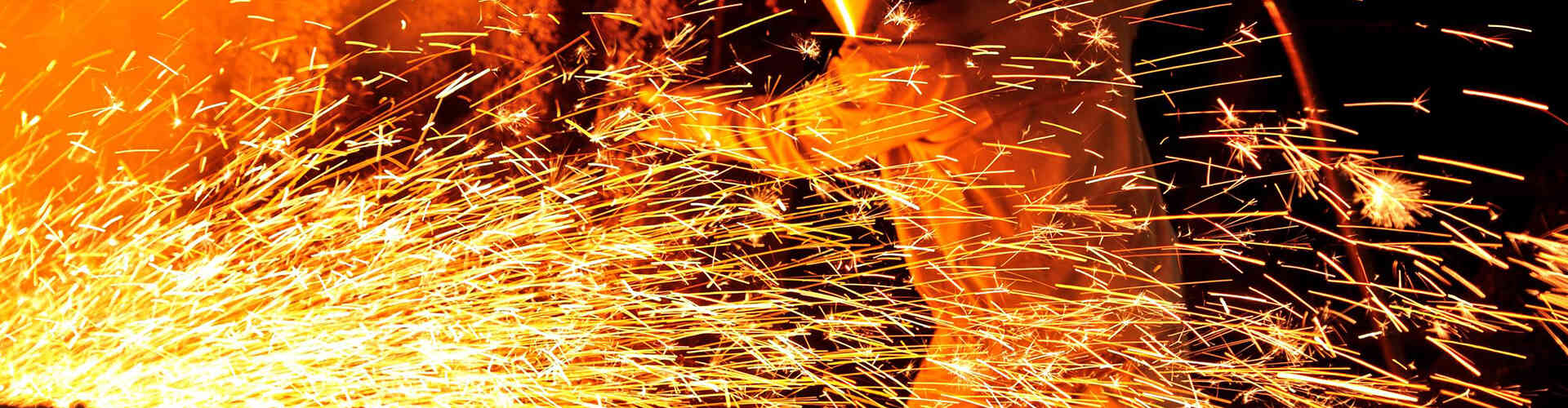
MỘT tấm chắn nhiệt bằng nhôm dập nổi Đây là một bộ phận quản lý nhiệt được sản xuất từ tấm nhôm được ép cơ học thành các hoa văn nổi. Các hoa văn này được thiết kế để tăng cường hiệu suất nhiệt, độ ổn định cấu trúc và khả năng kiểm soát luồng không khí trong môi trường nhiệt độ cao.
Khác với các tấm nhôm trơn nhẵn, bề mặt dập nổi tạo ra hình dạng hình học được kiểm soát trong vật liệu. Hình dạng hình học này làm tăng độ cứng và tạo ra các túi khí siêu nhỏ giúp giảm truyền nhiệt. Do đó, tấm chắn nhiệt bằng nhôm dập nổi được sử dụng rộng rãi ở những nơi cần giảm trọng lượng, phản xạ nhiệt và độ bền cao.
Từ hệ thống ống xả đến các thiết bị công nghiệp, các giải pháp tấm chắn nhiệt bằng nhôm dập nổi được thiết kế để cân bằng giữa hiệu suất, chi phí và độ tin cậy lâu dài.
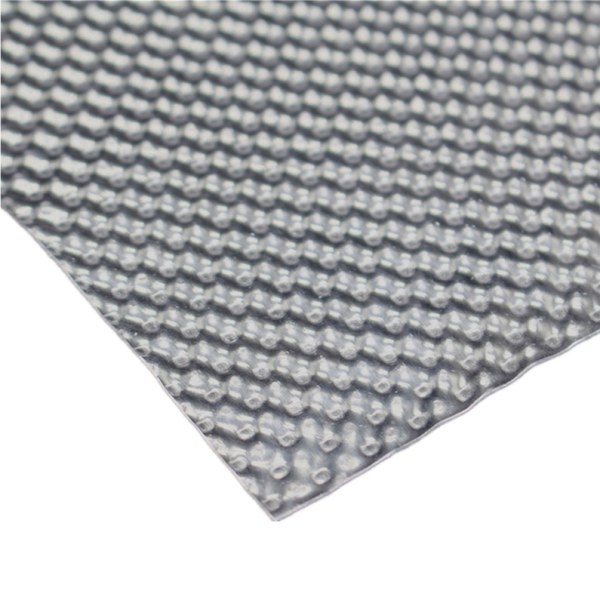
Các hoa văn dập nổi giúp phân tán nhiệt bức xạ và hạn chế dẫn nhiệt trực tiếp. Kết quả là khả năng phản xạ nhiệt được cải thiện và nhiệt độ bề mặt thấp hơn trên các bộ phận được bảo vệ.
Dập nổi giúp tăng cường độ bền của tấm nhôm mà không làm tăng độ dày. Điều này cho phép các vật liệu mỏng hơn đạt được độ cứng cao hơn, khiến các tấm chắn nhiệt bằng nhôm dập nổi trở nên lý tưởng cho các hệ thống trọng lượng nhẹ.
Nhôm có khả năng chống oxy hóa và ăn mòn tự nhiên. Khi kết hợp với kỹ thuật dập nổi, vật liệu này duy trì được hình dạng và hiệu năng ngay cả khi trải qua chu kỳ nhiệt lặp đi lặp lại.
Trong các ứng dụng có độ rung liên tục, chẳng hạn như xe cộ và máy móc, tấm chắn nhiệt bằng nhôm dập nổi mang lại khả năng chống mỏi và cộng hưởng tốt hơn so với tấm phẳng.
Ngành công nghiệp ô tô là một trong những ngành sử dụng nhiều tấm chắn nhiệt bằng nhôm dập nổi nhất. Các khu vực lắp đặt phổ biến bao gồm:
ống xả
Ống giảm thanh và bộ chuyển đổi xúc tác
Hệ thống tăng áp
bảo vệ nhiệt dưới thân xe
Bằng cách phản xạ nhiệt ra khỏi các bộ phận nhạy cảm, tấm chắn nhiệt bằng nhôm dập nổi giúp cải thiện độ an toàn, hiệu quả và tuổi thọ của các linh kiện.
Trong môi trường công nghiệp, tấm chắn nhiệt bằng nhôm dập nổi bảo vệ cả thiết bị và nhân viên. Các ứng dụng điển hình bao gồm:
Hệ thống đường ống nhiệt độ cao
Thiết bị phát điện
Lò nung và buồng nhiệt
Vỏ máy móc gần nguồn nhiệt
Các thiết bị gia dụng và thương mại dựa vào các tấm chắn nhiệt bằng nhôm dập nổi để duy trì nhiệt độ hoạt động an toàn trong không gian chật hẹp, đặc biệt là trong lò nướng, máy sưởi và các thiết bị HVAC.
Các kiểu dập nổi khác nhau phục vụ các mục đích kỹ thuật khác nhau. Việc lựa chọn kiểu dập nổi phù hợp phụ thuộc vào các yêu cầu về nhiệt, cơ học và thiết kế.
| Hoa văn dập nổi | Lợi ích chức năng |
|---|---|
| Họa tiết hình kim cương | Độ bền cân bằng và khả năng phản xạ nhiệt |
| Mẫu sóng | Cải thiện khả năng lưu thông không khí và khả năng chống rung. |
| Họa tiết tổ ong | Độ cứng tối đa với trọng lượng tối thiểu |
| Hình học tùy chỉnh | Tối ưu hóa ứng dụng cụ thể |
Mỗi kiểu hoa văn ảnh hưởng đến cách tấm chắn nhiệt bằng nhôm dập nổi tương tác với nhiệt, luồng không khí và ứng suất cơ học.
Tấm chắn nhiệt bằng nhôm dập nổi có thể được chế tạo từ nhiều hợp kim nhôm khác nhau, tùy thuộc vào yêu cầu về hiệu suất.
Nhôm 3003: Khả năng tạo hình và hiệu suất nhiệt tuyệt vời
Nhôm 5052: Độ bền cao hơn và khả năng chống ăn mòn tốt hơn.
Nhôm 8011: Hiệu quả về chi phí cho các ứng dụng khối lượng lớn
0,3 mm – Nhẹ và linh hoạt
0,6 mm – Tiêu chuẩn sử dụng trong công nghiệp và ô tô
1,0 mm trở lên – Bảo vệ nhiệt chịu tải nặng
Việc lựa chọn hợp kim và độ dày phù hợp đảm bảo tấm chắn nhiệt bằng nhôm dập nổi hoạt động đáng tin cậy trong điều kiện vận hành.
Quá trình sản xuất tấm chắn nhiệt bằng nhôm dập nổi bao gồm một số bước được kiểm soát chặt chẽ:
Chuẩn bị trang tính – Các cuộn hoặc tấm nhôm được làm sạch và chuẩn bị.
Quy trình dập nổi – Các con lăn chính xác tạo ra các hoa văn nổi đồng đều
Cắt và tạo hình – Gia công cắt, dập hoặc uốn bằng máy CNC tạo hình cho chi tiết
Tăng cường bề mặt – Có thể bổ sung thêm các lớp phủ hoặc lớp phản quang tùy chọn.
Kiểm tra và thử nghiệm – Kiểm tra chất lượng về kích thước và hình thức
Quy trình này đảm bảo tính nhất quán, độ chính xác về hiệu suất và khả năng mở rộng cho sản xuất hàng loạt.
Tấm chắn nhiệt bằng nhôm dập nổi được thiết kế tốt mang lại khả năng bảo vệ nhiệt ổn định trong phạm vi nhiệt độ rộng.
Phản xạ một tỷ lệ nhiệt bức xạ cao.
Duy trì độ ổn định ngay cả khi làm nóng và làm lạnh nhiều lần.
Chống nứt, cong vênh và hư hỏng bề mặt.
Trong nhiều ứng dụng, tấm chắn nhiệt bằng nhôm dập nổi hoạt động hiệu quả ở nhiệt độ lên đến 500–600°C, tùy thuộc vào loại hợp kim và phương pháp lắp đặt.
Các sản phẩm tiêu chuẩn có thể không luôn đáp ứng được các yêu cầu cụ thể của dự án. Giải pháp tấm chắn nhiệt bằng nhôm dập nổi tùy chỉnh cho phép các kỹ sư tối ưu hóa hiệu suất cho các điều kiện đặc thù.
Các mẫu dập nổi được thiết kế riêng
Cấu trúc nhiều lớp
Vật liệu cách nhiệt tích hợp
Hình dạng phức tạp và các đặc điểm lắp đặt
Các thiết kế tùy chỉnh đặc biệt có giá trị đối với các nhà sản xuất thiết bị gốc (OEM) và các nhà tích hợp hệ thống đang tìm kiếm hiệu quả tản nhiệt tốt hơn và bố cục nhỏ gọn hơn.
Khi lựa chọn tấm chắn nhiệt bằng nhôm dập nổi, hãy cân nhắc các yếu tố sau:
Hiểu rõ phạm vi nhiệt độ, hướng nhiệt và thời gian tiếp xúc.
Cần tính đến độ rung, độ ẩm, hóa chất và các hạn chế về không gian.
Ngành công nghiệp ô tô và công nghiệp nói chung thường yêu cầu tuân thủ các tiêu chuẩn cụ thể.
Một nhà cung cấp đáng tin cậy cần có chuyên môn về vật liệu, kiểm soát chất lượng nhất quán và hỗ trợ tùy chỉnh sản phẩm.
Công nghệ dập nổi giúp cải thiện độ cứng, giảm truyền nhiệt và tăng khả năng chống rung mà không làm tăng trọng lượng.
Trong nhiều ứng dụng, câu trả lời là có. Độ bền của nhôm cho phép sử dụng lâu dài nếu không bị hư hại về mặt vật lý.
Đúng vậy. Thiết kế nhiều lớp với lớp cách nhiệt phía sau rất phổ biến trong môi trường có nhiệt độ cực cao.
Đúng vậy. Khả năng chống ăn mòn của nhôm khiến chúng phù hợp với điều kiện ngoài trời và khắc nghiệt.
Độ dày phụ thuộc vào nhiệt độ tiếp xúc, ứng suất cơ học và giới hạn trọng lượng.
Chắc chắn rồi. Kỹ thuật dập nổi rất phù hợp cho cả sản xuất số lượng nhỏ và sản xuất hàng loạt.
MỘT tấm chắn nhiệt bằng nhôm dập nổi Đây là giải pháp đã được chứng minh hiệu quả trong việc quản lý nhiệt trong các ứng dụng ô tô, công nghiệp và thương mại. Sự kết hợp giữa hiệu suất nhiệt, độ bền nhẹ và tính linh hoạt trong thiết kế khiến nó trở thành lựa chọn tuyệt vời cho những thách thức quản lý nhiệt hiện đại.
Bằng cách lựa chọn vật liệu, kiểu dập nổi và nhà cung cấp phù hợp, các doanh nghiệp có thể đạt được khả năng bảo vệ nhiệt đáng tin cậy đồng thời tối ưu hóa hiệu suất và chi phí. Cho dù là tiêu chuẩn hay thiết kế riêng, tấm chắn nhiệt bằng nhôm dập nổi đóng vai trò quan trọng trong việc cải thiện an toàn, hiệu quả và tuổi thọ sản phẩm.

No.10, Chuangxin North Road, Nanshan Park, Ningguo Economic and Technological Development Zone, Ningguo City, Anhui Province, China
điện thoại/Whatsapp : 0086-15856303740
e-mail : sales@bstbraidedsleeve.com
Skype : vanesa-cheng